
LowerDotcomLogo.jpg (2555 bytes)

EastDivCombo.jpg (2262 bytes) WestDivCombo.jpg (2267 bytes)
.
BACKINTHEDAYtorn.gif (22040 bytes)

          The American Football League Hall of Fame archives contain thousands of items about the AFL.   Newspaper articles about the American Football League . . . stories, columns and letters to the editor about the American Football League.  Photos and collector cards of American Football League players.  Game programs, ticket stubs, game reports and box scores of American Football League games.

           It would be virtually impossible to put all that information on a website, but this page will periodically post selected historic items about the American Football League, as they were written by the sportswriters and fans in the 1960s.  In some cases the dates are approximate.

NOTE:  In the interest of conserving space on this site, at the bottom of the page, I have links to articles on the AFL that are already available at other sites.

.


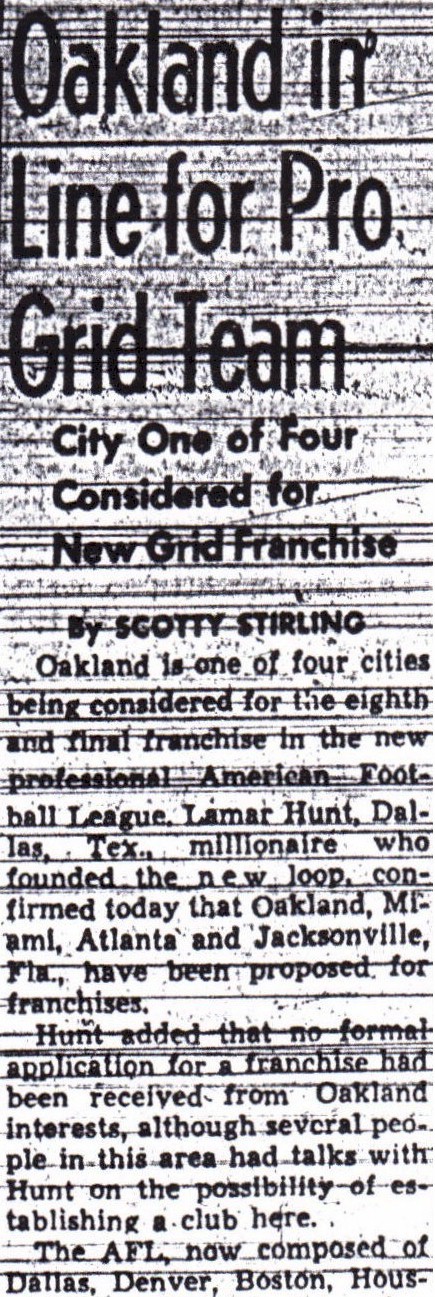
       The following article was one of the first on the West Coast about the American Football League, contributed by AFL author Jim McCullough.  The city of Minneapolis had been granted a franchise in the new league, but the owner, Max Winter was lured away by the other league.  The following article was written as the AFL was trying to decide on an eighth city, to replace Minneapolis.  The original article on the leftcan be enlarged by clicking the columns.  The text is reproduced for easier reading on the right.

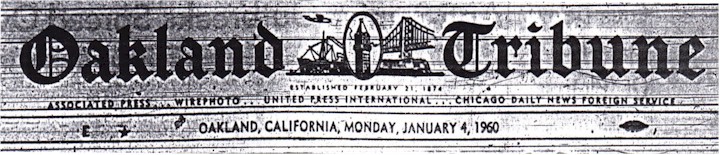
Oakland Tribune
ESTABLISHED FEBRUARY 21, 1874
ASSOCIATED PRESS . . . WIREPHOTO . . . UNITED PRESS INTERNATIONAL . . .CHICAGO DAILY NEWS FOREIGN SERVICE
OAKLAND, CALIFORNIA, MONDAY, JANUARY 4, 1960

Oakland in
Line for Pro
Grid Team
City One of Four
Considered for
New Grid Franchise
 

By SCOTTY STIRLING

  Oakland is one of four cities being considered for the eighth and final franchise in the new professional American Football League. Lamar Hunt, Dallas, Tex., millionaire who founded the new loop, confirmed today that Oakland, Miami, Atlanta, and Jacksonville, Fla., have been proposed for franchises.
   Hunt added that no formal application for a franchise had been received from Oakland interests, although several people in this area had talks with Hunt on the possibility of establishing a club here.
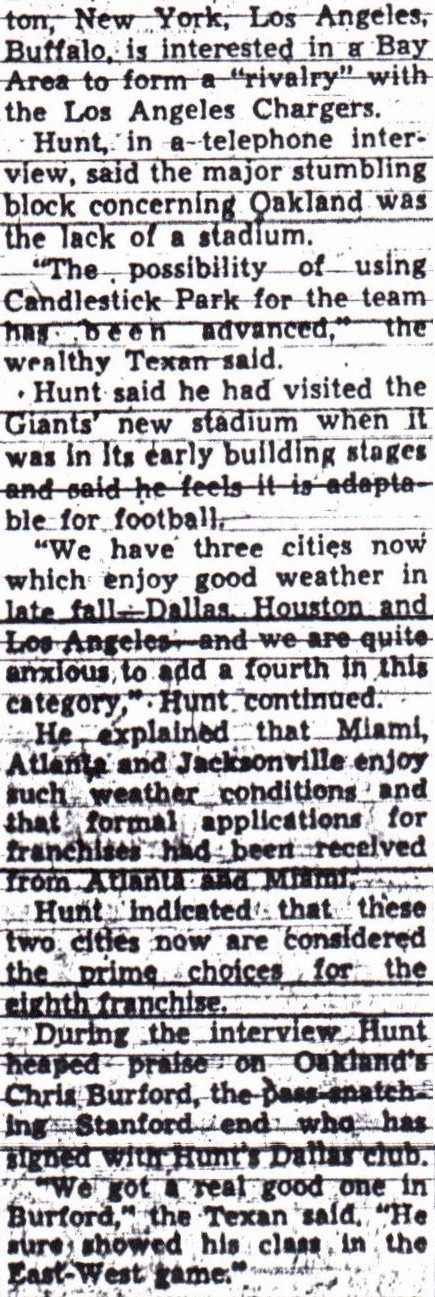
   The AFL, now composed of Dallas, Denver, Boston, Houston, New York,  Los Angeles, Buffalo is

 interested in a Bay Area to form a "rivalry" with the Los Angeles Chargers.
   Hunt, in a telephone interview, said the major stumbling block concerning Oakland was the lack of a stadium.
   "the possibility of using Candlestick Park for the team has been advanced," the wealthy Texan said.
    Hunt said he had visited the Giants' new stadium when it was in its early building stages and said he feels it is adaptable for football.
   "We have three cities now which enjoy good weather in late fall - Dallas, Houston and Los Angeles -and we are quite anxious to add a fourth in this category, "Hunt continued.
   He explained that Miami, Atlanta and Jacksonville enjoy such weather conditions and that formal applications for franchises had been received from Atlanta and Miami.
   Hunt indicated that these two cities now are considered the prime choices for the eighth franchise.
   During the interview Hunt heaped praise on Oakland's Chris Burford, the pass-catching Stanford end who has signed with the Dallas club.
   "We got a real good one in Burford," the Texan said, "He sure showed his class in the East-West game."


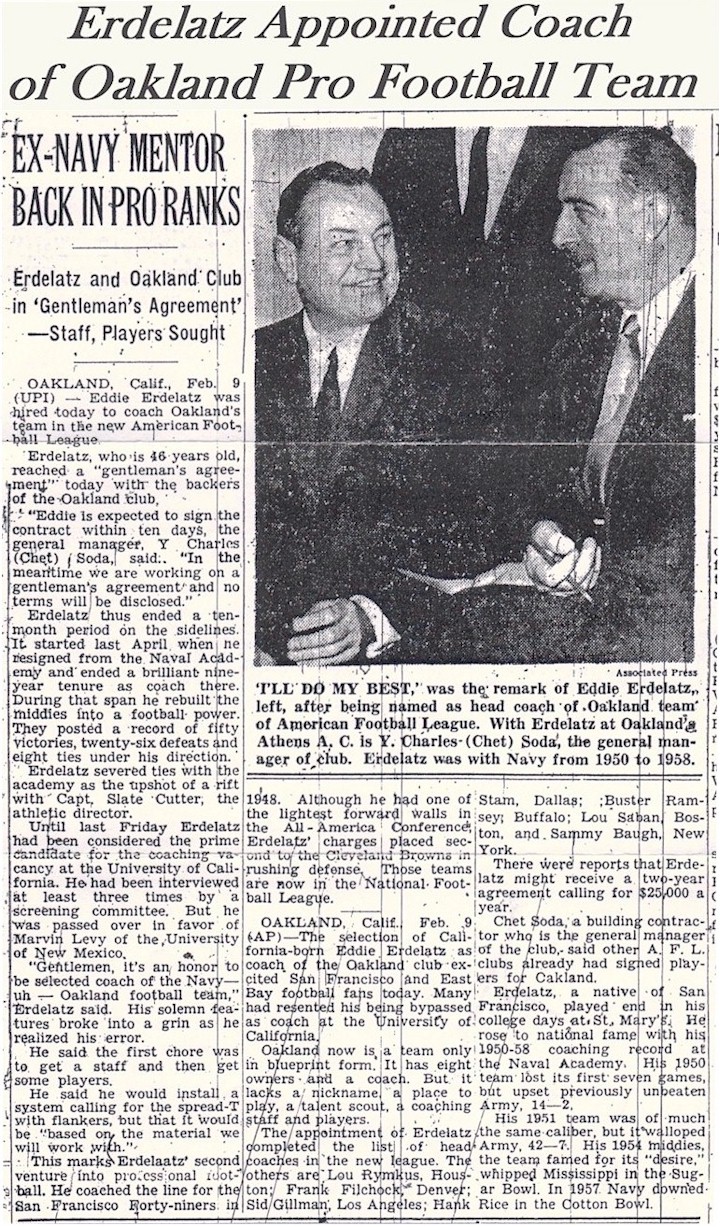
       "Eddie Erdelatz was hired today to coach Oakland's team in the new American Football League."

        "The appointment of Erdelatz completed the list of head coaches in the new league.  The others are Lou Rymkus, houston;, Frank Filchock, Denver; Sid Gillman, Los Angeles; Hank Stram, Dallas; Buster Ramsey, Buffalo; Lou Saban, Boston; and Sammy Baugh, New York."


(Article provided by Charles Oakey.)     


.

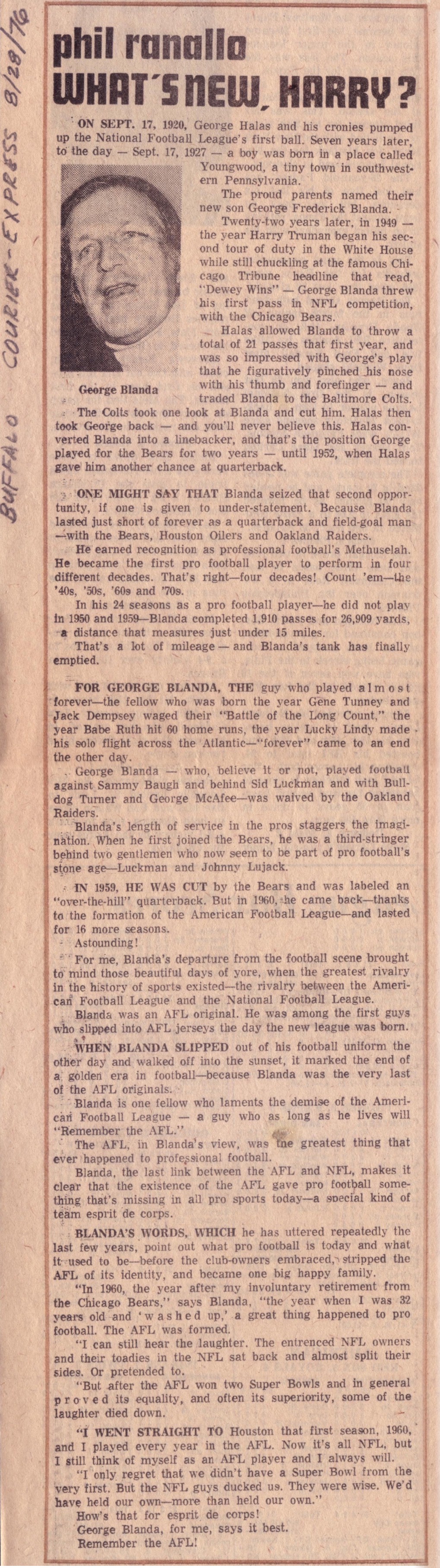
             The next item is not from the beginning of the American Football League, but from its end.  The following article appeared in the Buffalo Courier-Express in the last week of existence of the AFL, on December 8, 1969.   Subsequent clippings are in chronological order from the earliest clippings.

AFLsDemise700w.jpg (589223 bytes)

.


From the Boston Herald,
July 31, 1960:

"BUFFALO - Displaying surprising mid-season form in their American Football League debut, the Boston Patriots walloped the Buffalo Bills 28-7 in their first exhibition game of the newly-organized pro circuit Saturday night at Civic Stadium."

BillsPats1960positive720w.jpg (117726 bytes)


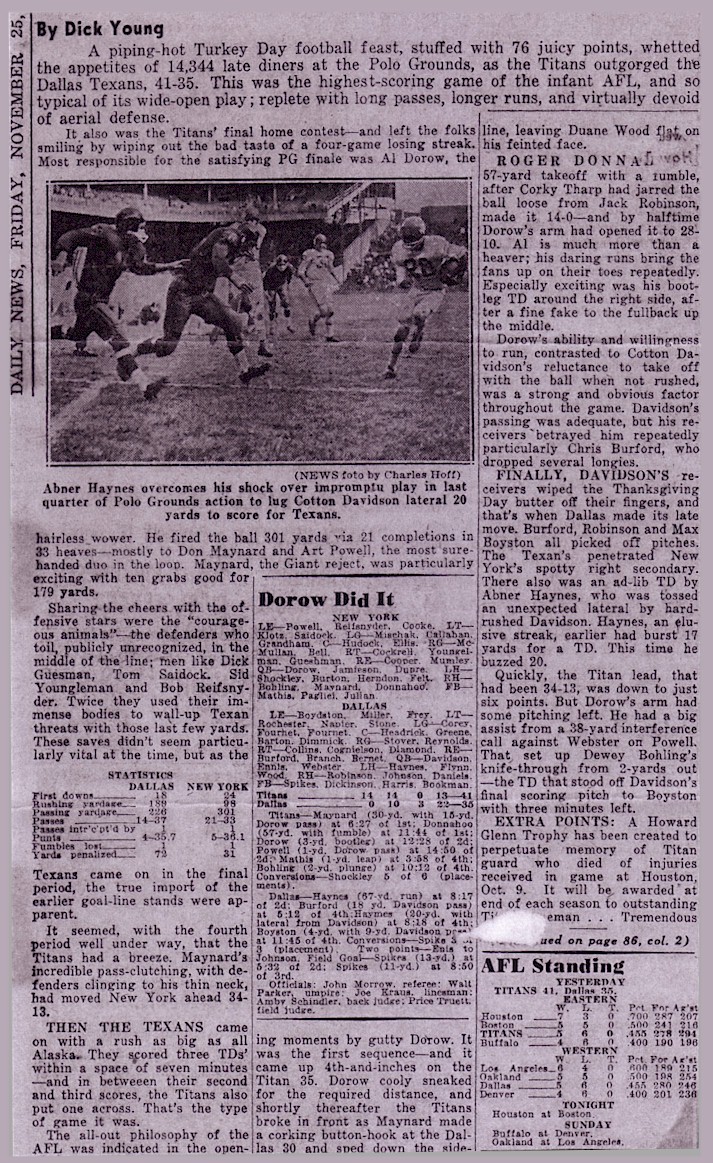
From the NEW YORK DAILY NEWS,
FRIDAY, NOVEMBER 25, 1960:
(Courtesy of Dewey Bohling, Titans halfback who had a two-yard touchdown run late in the game.)

"By Dick Young
            A piping-hot Turkey Day football feast, stuffed with 76 juicy points, whetted the appetites of 14, 344 late diners at the Polo Grounds, as the Titans outgorged the Dallas Texans, 41-35.  This was the highest-scoring game of the infant AFL, and so typical of its wide-open play; replete with long passes, longer runs, and virtually devoid of aerial defense."

.


From the Buffalo Courier-Express,
August 10, 1962:

     "Cookie Gilchrist, the big fullback obtained from the Toronto Argonauts, worked out for the first time Thursday."

GilchristJoinsBills1962w600.jpg (286954 bytes)

.


From the Buffalo Courier-Express, September 8, 1962:

"they had never challenged a player in our league with as much strength as Gilchrist"

FrazierOilers1962w600.jpg (240186 bytes)

.


             From the Buffalo Evening News, September 11, 1962, after the first weekend of the season:

HaynesStats1962w300.jpg (151087 bytes)

.


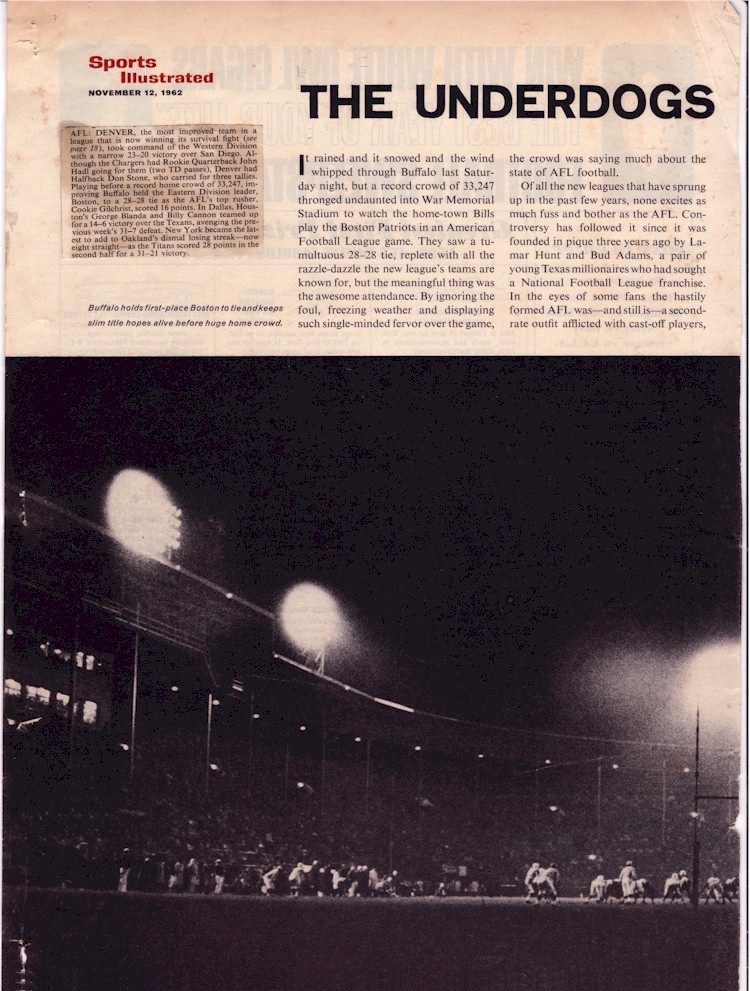
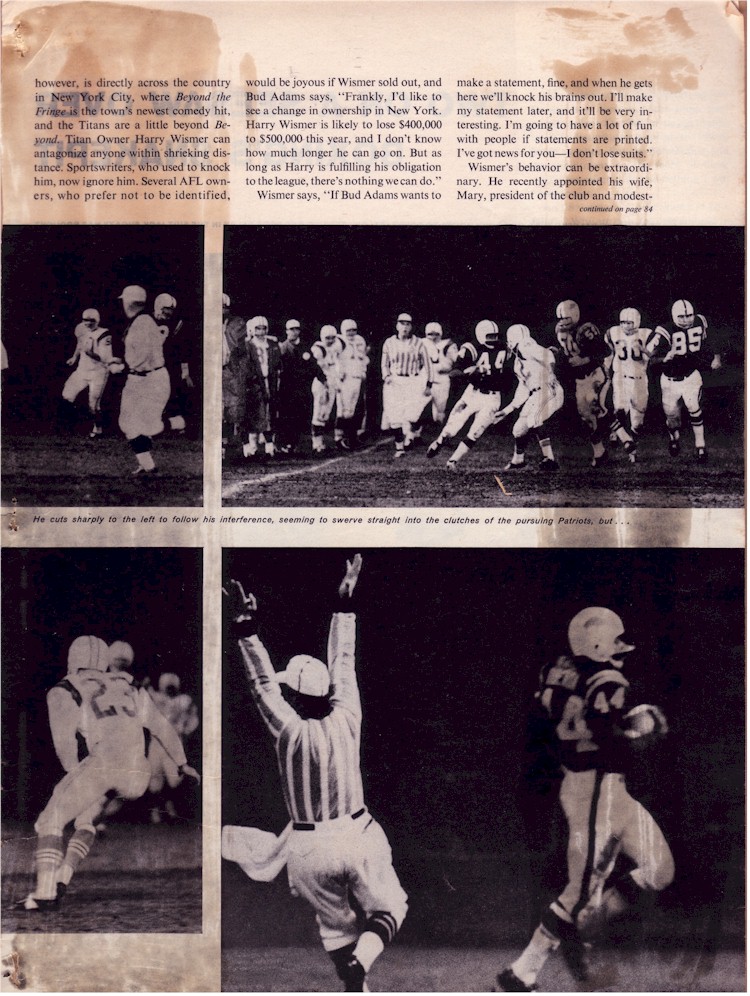
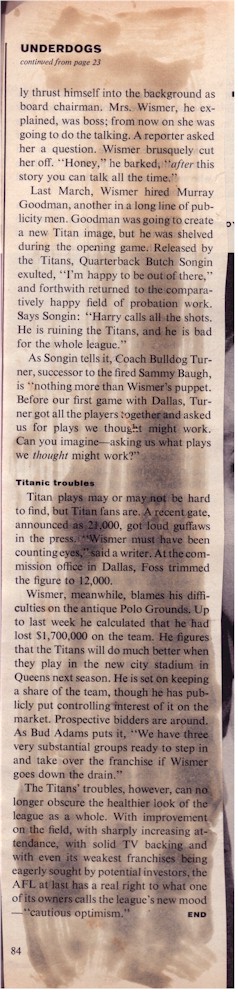
             If you've read other pages on this site, you know that Sports Illustrated seldom covered the American Football League.  The following article is a rare departure from SI's early policy.  But in true anti-AFL SI bias, they apparently misplaced their color film for this 1962 feature.  The author, Robert H. Boyle, has informed me that Foss was so pleased with the article, he had it framed and hung it in his office (The following is the sole property of Sports Illustrated Magazine.)  Click on each page for a readable image.

.


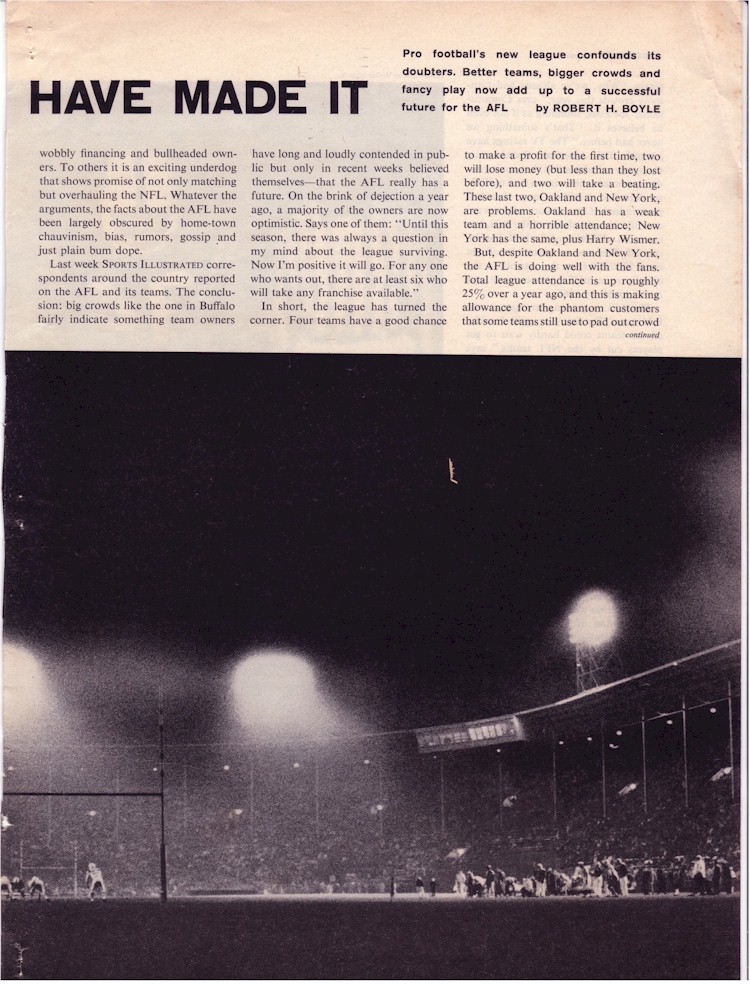
     Pro football's new league confounds its doubters.  Better teams, bigger crowds and fancy play now add up to a successful future for the AFL               by Robert H. Boyle

SIunderdogs1w750.jpg (221231 bytes)

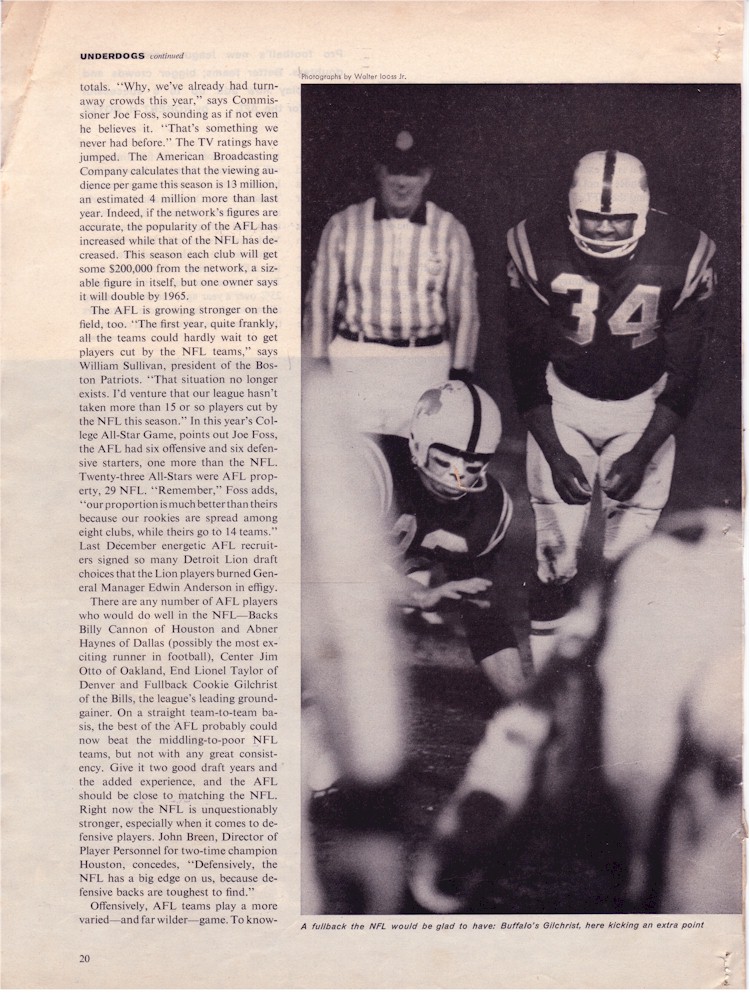
SIunderdogs2w750.jpg (209187 bytes)

.

       The TV ratings have jumped.  The American Broadcasting Company calculates that the viewing audience per game this season is 13 million, an estimated 4 million more than last year.  Indeed, if the network's figures are accurate, the popularity of the AFL has increased while that of the NFL has decreased.

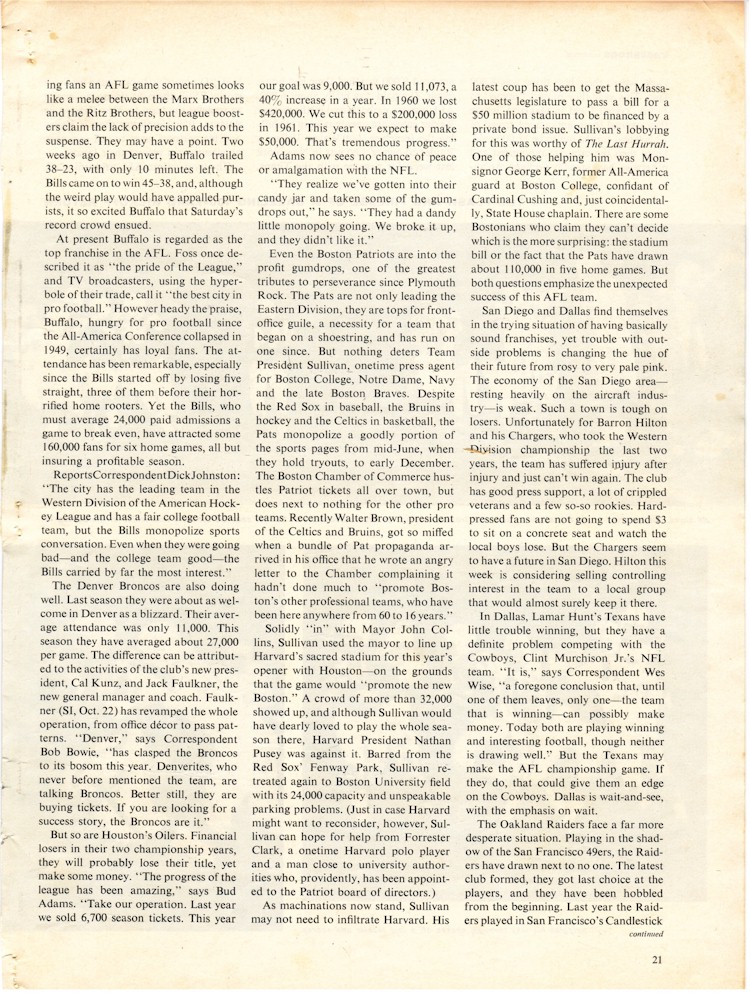
SIunderdogs3w750.jpg (223586 bytes)

SIunderdogs4w750.jpg (334437 bytes)

.

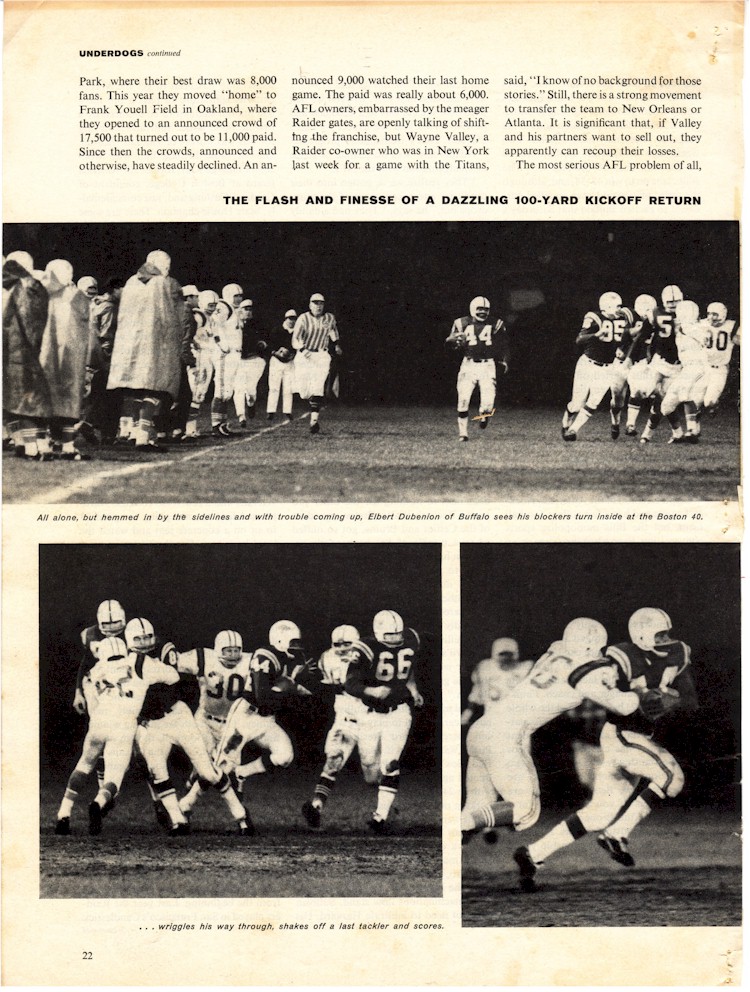
THE FLASH AND FINESSE OF A DAZZLING 100-YARD KICKOFF RETURN

SIunderdogs5w750.jpg (247085 bytes)

SIunderdogs6w750.jpg (238214 bytes)

.

       With improvement on the field, with sharply increasing attendance, with solid TV backing and with even its weakest franchises being eagerly sought by potential investors, the AFL has a real right to what one of its owners calls the league's new mood --- "cautious optimism.".

SIunderdogs7h992.jpg (104059 bytes)

.


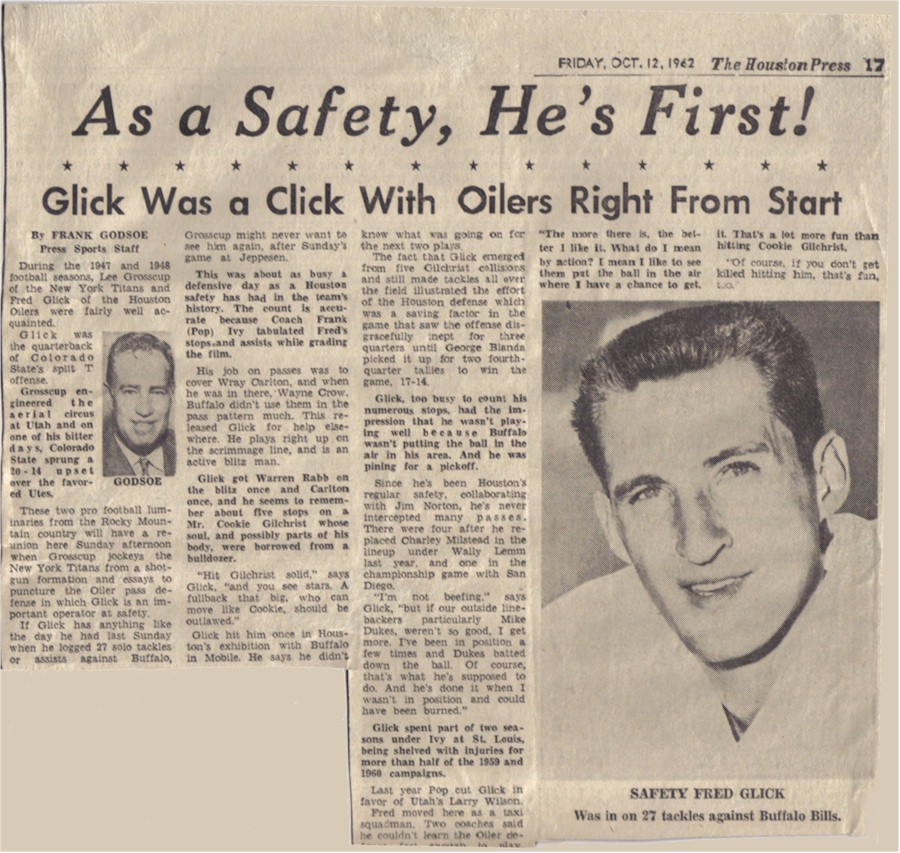
From The Houston Press, October 12, 1962:

 
               "Hit Gilchrist solid," says Glick, "and you see stars.  A fullback that big, who can move like Cookie, should be outlawed." . . . .  "Of course, if you don't get killed hitting him, that's fun, too."

.


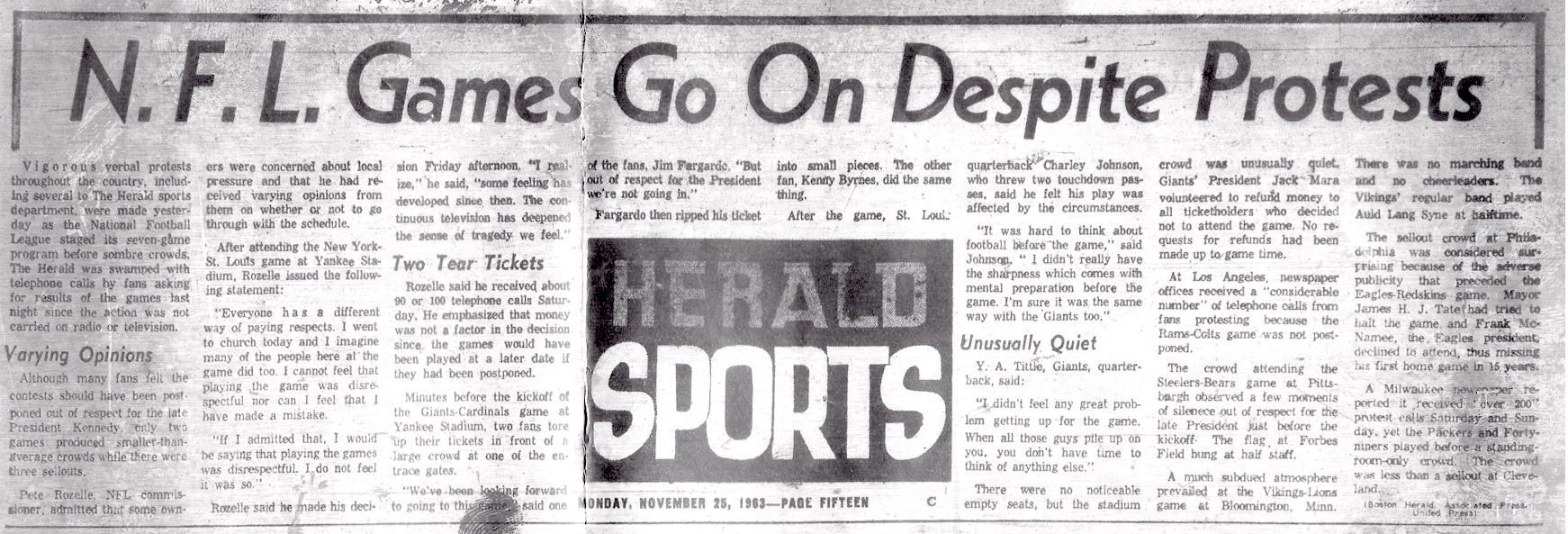
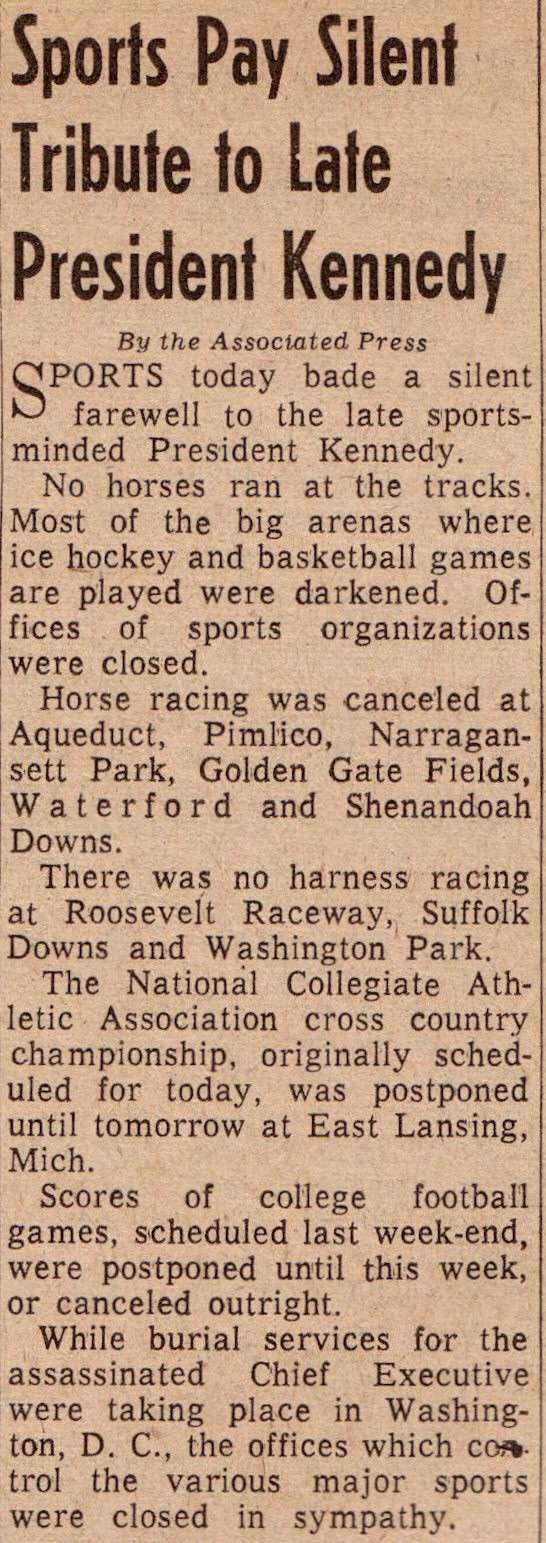
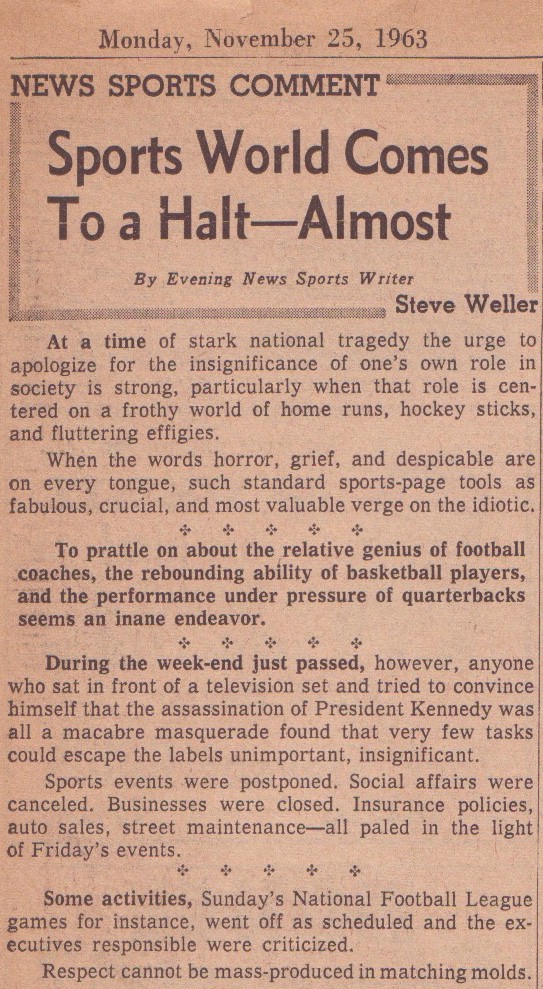
From the Boston Herald, November 25, 1963:
NFL games were played following the JFK assassination,
American Football League games were postponed.

JFKgreyscale.jpg (396941 bytes)

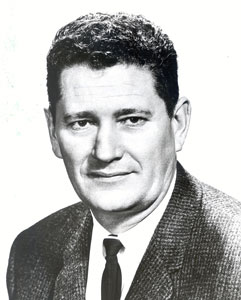
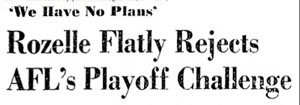
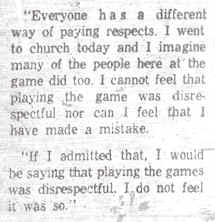
In the above article, Alvin "Pete" Rozelle is quoted as follows >

wpe58.jpg (8499 bytes)

NRL.gif (4451 bytes)

No
Respect
League

             Don Pierson, Chicago Tribune, reported that later, Rozelle said: "That week after the funeral and after our games were played, there were columns written against my decision across the country.  Obviously it was a mistake."

[Sad that Rozelle didn't know it was wrong until he was TOLD that it was!
Following the wise counsel of Buffalo's Ralph Wilson Jr., the
American Football League cancelled its games that Sunday.]

.


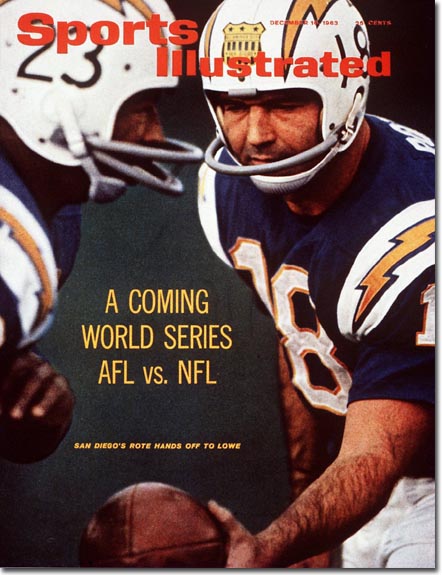
       Will wonders never cease?  SI actually ran an article that (sort of) called for an AFL-NFL confrontation.  This article was from 1963, and was the FIRST TIME EVER that Sports Illustrated had a cover showing an American Football League team.  In 1964, SI had six covers featuring action pro football photographs: 2 of the Browns, 2 of the Cardinals, one of the Vikings, and one of the Bears and 49ers.  Of course, they had no action covers of AFL teams.  That year,  the Bills started the season 9-0, won thirteen games, and set pro football records on defense . . . not worthy of SI coverage.    The AFL was featured on an SI cover only twice (July 1965 and October 1966, both non-action shots of Joe Namath) again before December 12, 1966, when the magazine ran a black-and-white cover of the Pats vs. the Bills.   (The following images, provided by CHARGER TOM, are the sole property of Sports Illustrated Magazine.)  Click on each page for a readable image.

.

AFLSIcolor.jpg (59535 bytes)

.

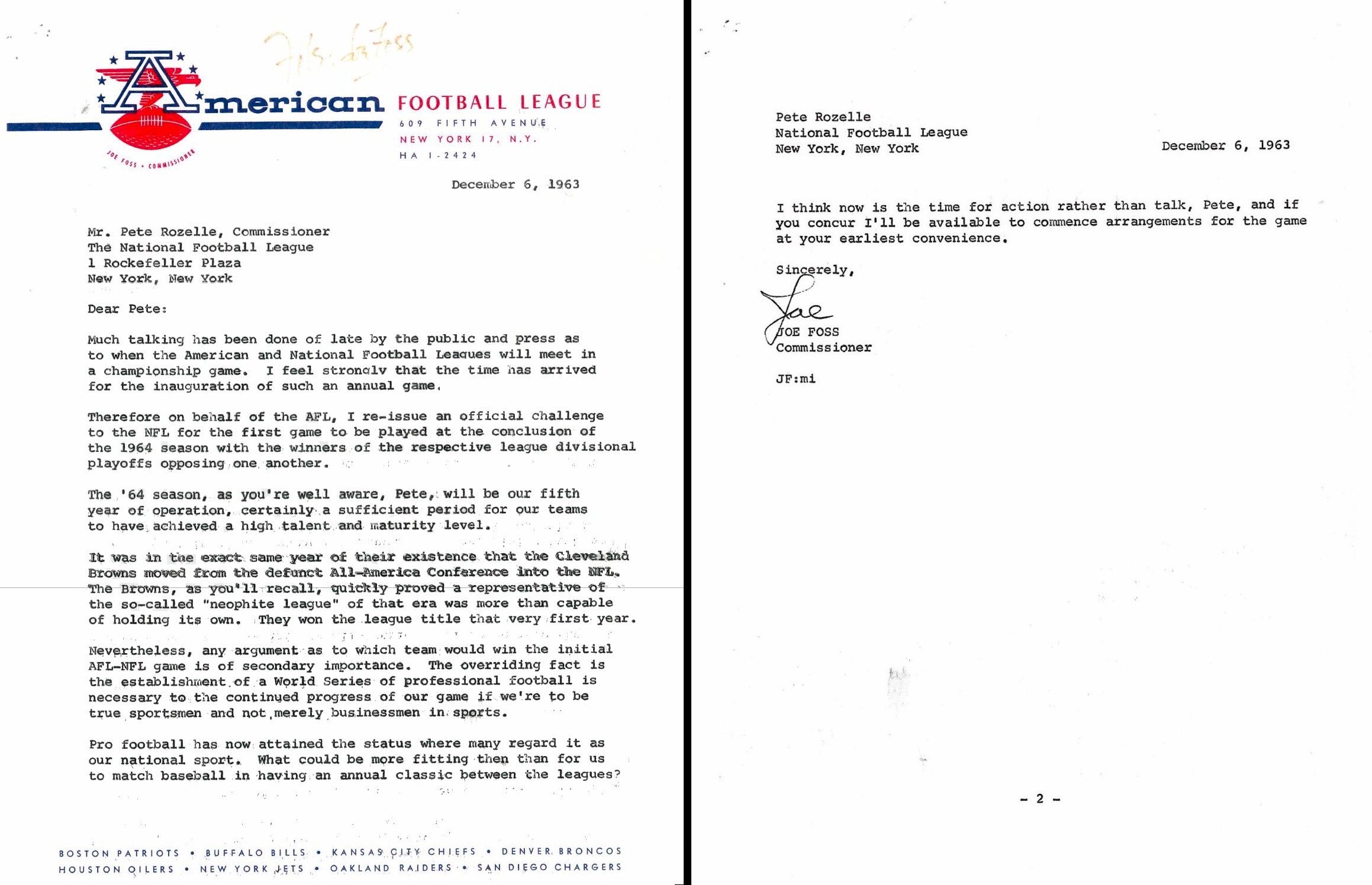
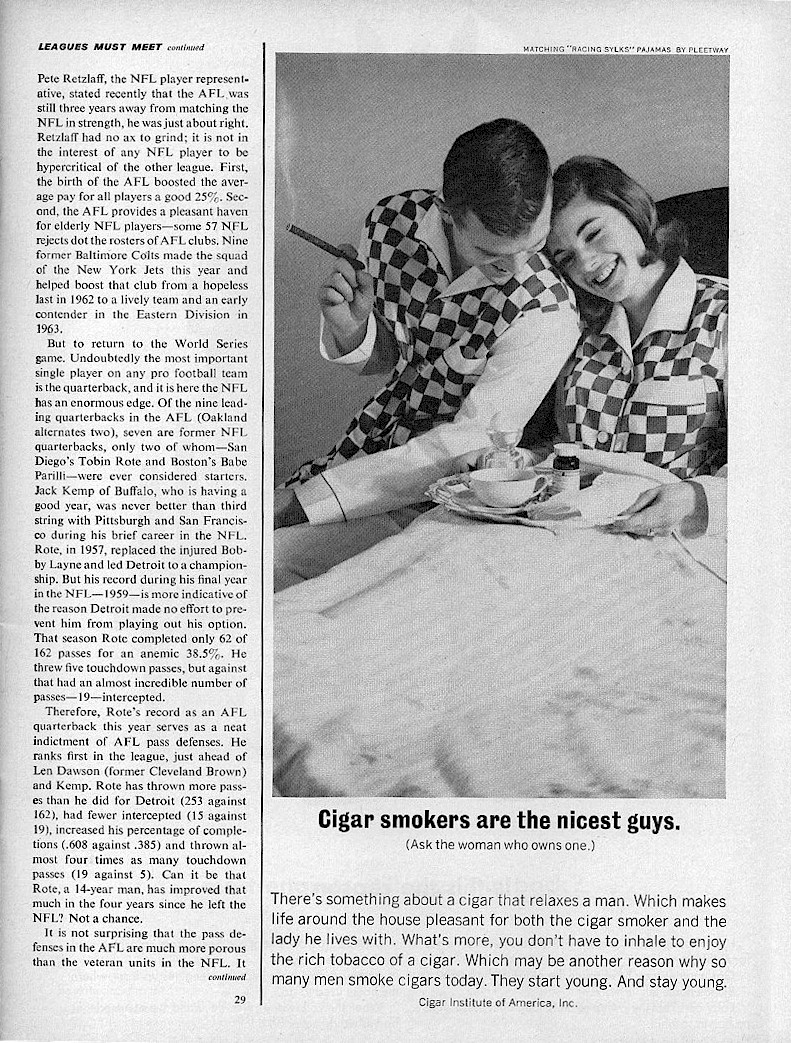
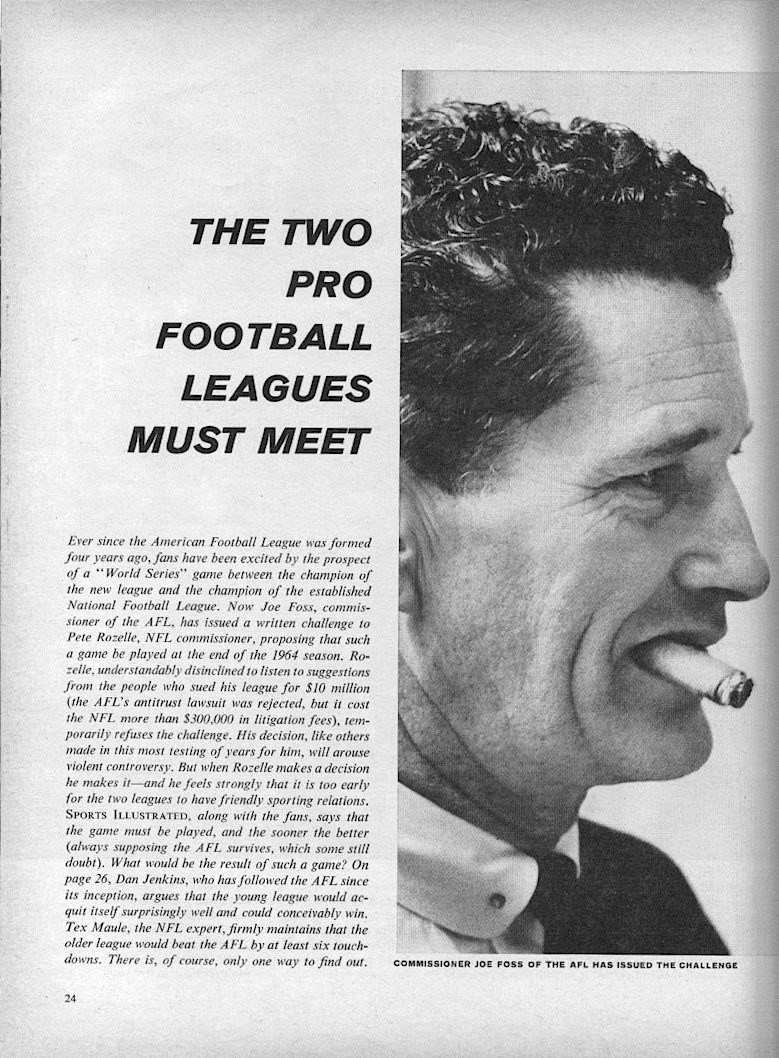
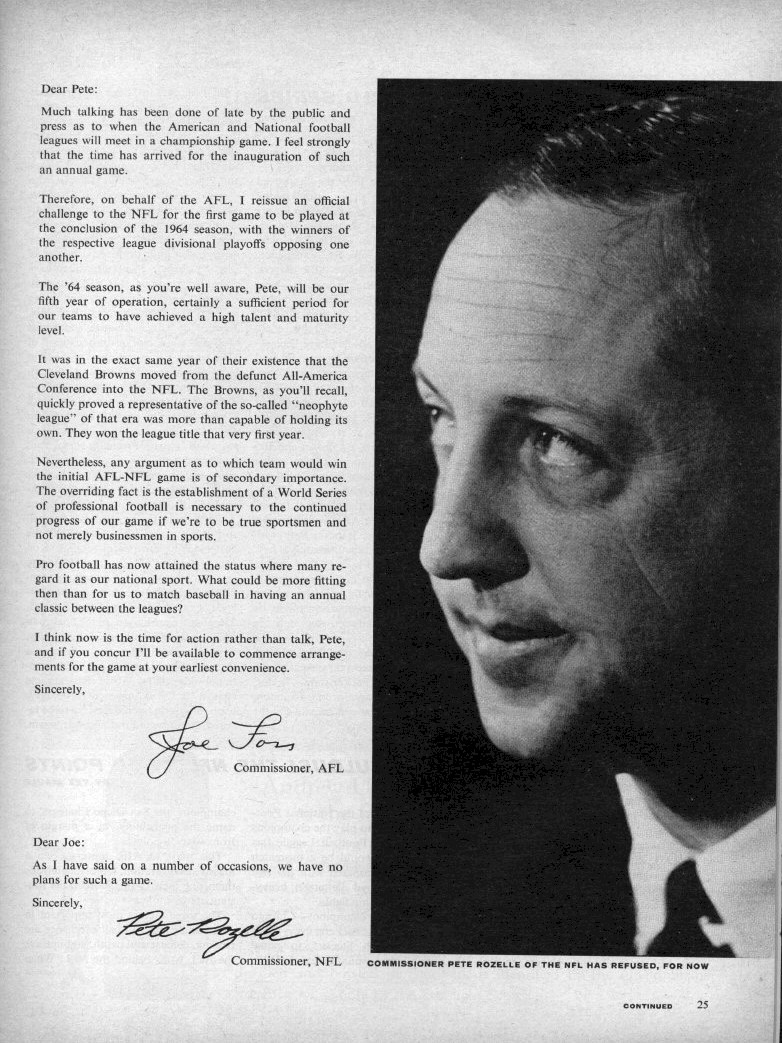
Ever since the American Football League was formed four years ago, fans have been excited by the prospect of a "World Series" game between the champion of the new league and the champion of the established National Football League.

....

 .

.. ..

.....

       Therefore, on behalf of the AFL, I reissue an official challenge to the NFL for the first game to be played at the conclusion of the 1964 season.

As I have said on a number of occasions, we have no plans for such a game.

wpe5.jpg (3147 bytes)

wpe4.jpg (3474 bytes)

.

AFLSI2mod.jpg (278835 bytes)

AFLSI3mod.jpg (262126 bytes)

.

....

 .

.....

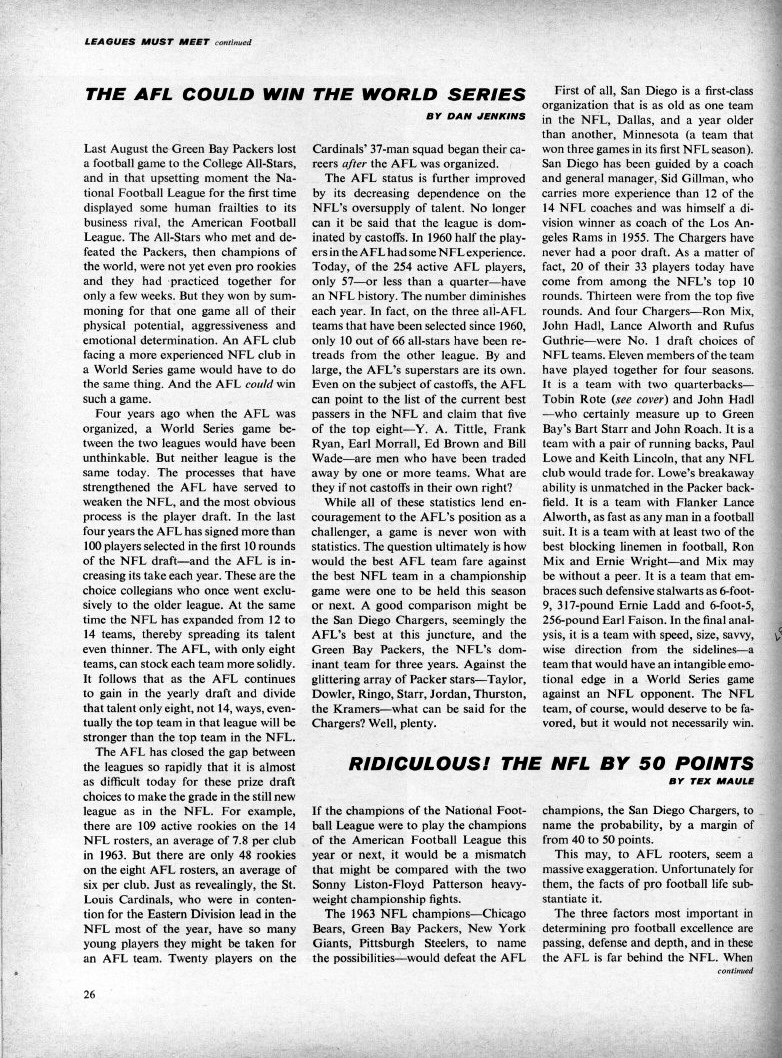
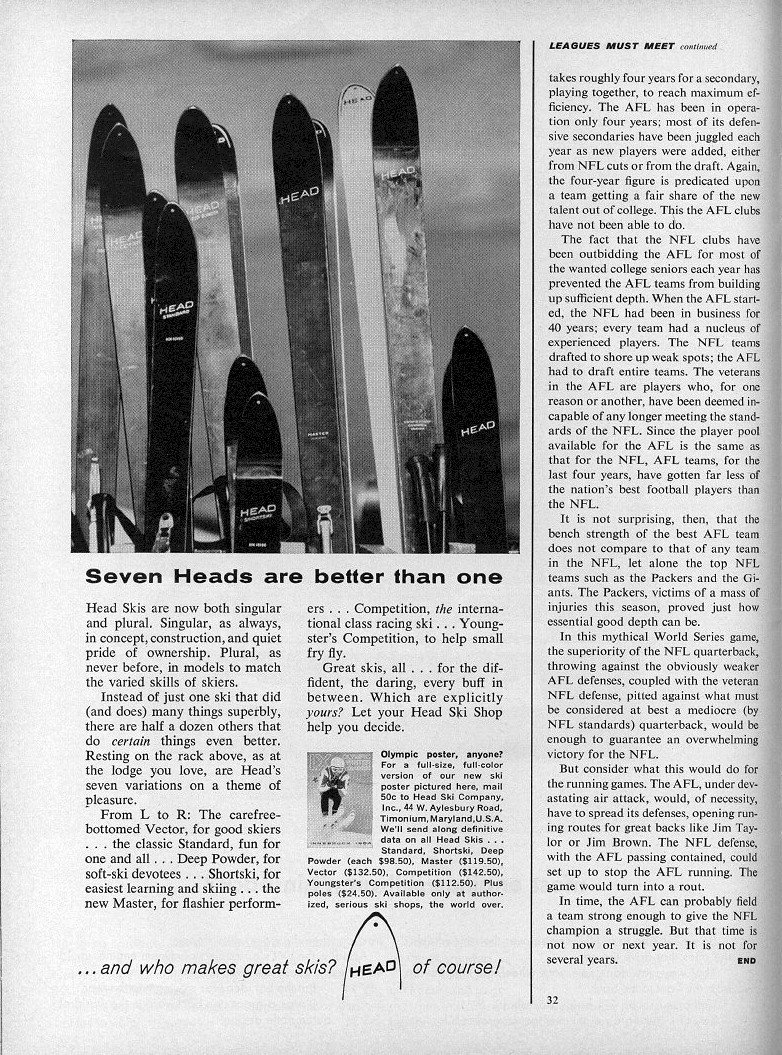
The AFL, with only eight teams, can stock each team more solidly.  It follows that as the AFL continues to lead in the yearly draft . . . eventually the top team in that league will be stronger than the top team in the NFL.

DAN JENKINS

.

AFLSI4mod.jpg (420096 bytes)

AFLSI5mod.jpg (381783 bytes)

.

....

 .

.....

       In time, the AFL can probably field a team strong enough to give the NFL champion a struggle.  But that time is not now or next year.   It is not for several years.

TEX MAULE

.

AFLSI6mod.jpg (390094 bytes)

.


.

 .

..

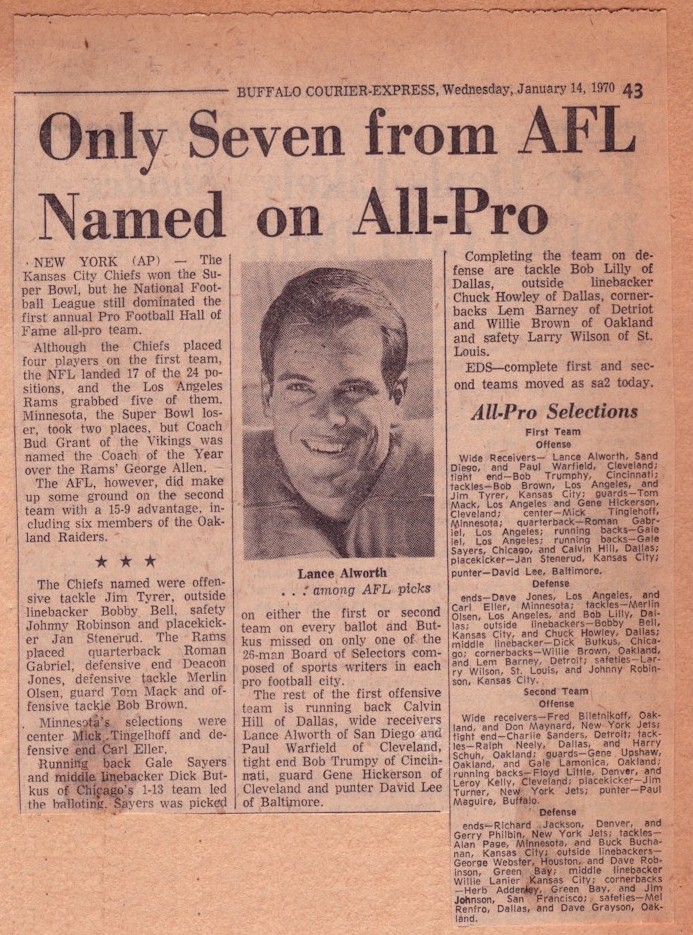
       Although American Football League teams won the World Championships after both the 1968 and 1969 pro football seasons, All-Pro selectors were still mostly blind to the accomplishments and abilties of AFL players.  This bias has been perpetuated until today, explaining why many AFL greats are still not in the "pro football" hall of fame.

..

Only Seven from AFL Named on All-Pro

.

Buffalo Courier-Express
January 17, 1970

AFL1969AllPro2w700.jpg (259006 bytes)

.

Could '64 Bills have won 'Super Bowl' against Browns?
The Buffalo News
5/29/2005

By MARK GAUGHAN

The old war stories will be traded back and forth when former Buffalo Bills from the team's two great eras reunite for the team's Celebration of Champions next weekend.

Jack Kemp, Jim Kelly and a slew of other ex-Bills will return to Ralph Wilson Stadium for the 40th anniversary of the 1965 championship team and a 15th anniversary of the Bills' first Super Bowl team. Festivities run Thursday through Sunday, highlighted by the unveiling of the team's throwback jersey at 2:30 p.m. Saturday.

So it's a good week to chew on a hot stove topic: How would the Bills' greatest AFL championship team, the 1964 squad, have fared against the NFL champion Cleveland Browns?

"We'd have won hands down," former Bills cornerback Booker Edgerson said.

"This is all hearsay and all talk," said Bills Hall-of-Fame guard Billy Shaw. "I've said it many times before of the AFL champions prior to the Super Bowl, that was probably the team that could have really played with NFL champions. I'll say this: We matched up really good with them. I'd have loved to have had that opportunity."

The '64 Browns went 10-3-1 and whipped the Baltimore Colts, 27-0, in the NFL title game. Baltimore had the No. 1 offense and the No. 1 defense in the league. The Browns boasted Pro Football Hall of Famers in running back Jim Brown, receiver Paul Warfield, kicker Lou Groza and coach Paul Brown [Editor's note: Blanton Collier replaced Paul Brown* as coach in 1963.  The 1964 Browns were Collier's team.]. The Browns had two other all-league players (tackle Dick Schafrath and linebacker Jim Houston) plus two others who would become repeat all-league picks (receiver Gary Collins and guard Gene Hickerson).

The '64 Bills went 12-2 and whipped the San Diego Chargers, 20-7, in the AFL title game. The Bills had one Hall of Famer in Shaw. Shaw was one of three Bills on the AFL's All-Decade Team, along with defensive tackle Tom Sestak and safety George Saimes. Ten Bills made all-league in '64.

The Bills' defense was superior to the Browns' defense.

Buffalo allowed the fewest rushing yards of any team in AFL history in '64 - 913 or just 65 yards a game. The Bills also had 50 sacks, more than in any season since sacks became an official statistic in 1982.

The Browns' defense was good but not great. It ranked fifth in points allowed. There probably were only two Browns defenders - Houston and defensive end Bill Glass - who could have started for the Bills that year.

Because the Bills were noted for defense, it's surprising to note that the '64 Buffalo team compiled the fourth-most yards of any offense in AFL history - 5,206.

The Bills had great balance, with Cookie Gilchrist leading the running game and deep-threat receivers Elbert Dubenion and Glenn Bass averaging 27.1 and 20.9 yards per catch, respectively.

Kemp had a superb arm and was a great big-game quarterback but ran notoriously hot and cold that year. He threw 13 TD passes and 26 interceptions.

The Browns were quarterbacked by Frank Ryan, who had 25 TDs and 19 INTs. The Browns had a superb offensive line, led by Schafrath, Hickerson and center John Morrow. Warfield was an all-time great, and Collins was a 6-foot-4, better version of ex-Niner Dwight Clark.

If the Bills could shut down Lance Alworth and the Chargers' passing game, they could have shut down Warfield and Collins.

The Bills would have put Edgerson on Warfield and Butch Byrd on Collins and played a physical style. Edgerson and Byrd were great at bump-and-run coverage.

"I think we would have had an advantage with the bump and run," Edgerson said. "The NFL receivers didn't know how to handle it. It took them several years (into interleague games) before they figured out how to handle it. I'd drive Lance to the inside all the time, where you've got (linebackers) John Tracey and Mike Stratton waiting for him. You don't let him get to the outside."

The game would have given Gilchrist a stage on which to perform against Brown, the greatest running back of all time.

Kemp, who will be at the stadium Saturday, is judicious in his assessment of the two teams, but he doesn't hold back when it comes to Cookie.

"Cookie was better than Jim Brown," Kemp said. "Jim Brown is a good friend of mine. But Cookie, in my opinion, was better all around. He could block. He could catch passes. He could tackle. He could kick field goals. He was really one of the greatest all-around football players ever. Jim Brown was the greatest runner."

Could the Bills' great defense have contained Brown well enough to win? That's the intriguing, unanswerable question.

"I think with our ends, Ron McDole and Tom Day, they would have forced him to the inside," Edgerson said. "I didn't see a whole lot of games Jim played. But to me he never was as successful running right up the middle. He'd bounce it outside and he was gone. Cornerbacks didn't want to tackle him. I think we could have kept him from getting outside."

.

Welcome to the Electronic Edition of the Buffalo News
1/14/2007

FelserBW.jpg (7134 bytes)
by Larry Felser

Chargers field best team since '63 champions

I can still picture the break-open play the last time the San Diego Chargers met the Patriots in a postseason game, the 1963 AFL championship in crumbling old Balboa Stadium.
On the second play from scrimmage, running back Keith Lincoln ran 56 yards up the middle to set up San Diego's first touchdown. For Lincoln and the Chargers, it was just the beginning. The next time Lincoln touched the ball he ran 67 yards for a touchdown. The Patriots interrupted with their only touchdown of the day but Lincoln's sensational running-back partner, Paul Lowe, scored San Diego's third touchdown of the first quarter on a 58-yard run.
By the time he was through, Lincoln carried the ball just 13 times for 206 yards, caught seven passes, including a third touchdown, for 123 yards and completed his only pass for 20 additional yards. In winning, 51-10, the Chargers rolled up 610 yards in demolishing a defense that had choked off the Bills in their 26-8 playoff victory for the Eastern championship in Buffalo eight days earlier.
Until today, that may have been the greatest San Diego team of all time. Early in the '70s, after the merger of the AFL and the NFL, the editor of the Super Bowl program, impressed by a popular debate feature on 60 Minutes called "Point-Counterpoint," wanted to stage a similar debate in the program's pages. He hired two sportswriters to debate whether any AFL champion could have defeated the NFL champ before Super Bowls were invented.
The selection of the pro-NFL debater was obvious. Tex Maule of Sports Illustrated, who was partially responsible for the mushrooming popularity of pro football, had been an unabashed NFL homer since the AFL was formed. In 1964 he concocted a phony playoff between the Bills, the AFL champ, and the NFL's Cleveland Browns in the pages of his magazine. Tex had the Browns winning by seven touchdowns, with Daryle Lamonica scoring the only Buffalo points in garbage time.
His debate opponent was me.
The debate was played out in the program's centerfold with a photo of Tex and me - our sleeves rolled up, our fists cocked, ready to duke it out - above it.
My argument centered on the 1963 season, with the Chicago Bears, a team almost the direct opposite of the Chargers, the NFL champion. The Bears, in fact, were similar to the current Chicago team, brutally effective on defense and full of holes on offense. Their defense, coached by future Hall of Famer George Allen, had three future Hall of Fame players in its lineup - middle linebacker Bill George, end Doug Atkins and tackle Stan Jones.
The Bears lost only one game, although they were tied twice late in their 14-game schedule. They allowed foes an average of just 10.3 points and then smothered the New York Giants, 14-10, in the NFL championship game, intercepting quarterback Y.A. Tittle five times. The Bears had to play great defense because nine of the league's 14 teams scored more points during the season. With journeyman Bill Wade their starting quarterback, they finished with fewer passing yards than 10 other teams. So the "paper game" hinged on whether the Chicago defense could completely stop an offense devised by Hall of Fame head coach Sid Gillman, father of the modern passing game, with two other future Hall of Famers, wide receiver Lance Alworth and tackle Ron Mix, along with Lincoln and Lowe and a stellar offensive line.
My argument was that speed would give the day to San Diego. Alworth was the fastest receiver in football. Lincoln and Lowe were deadly, particularly running outside on quick tosses behind two great tackles, Mix and Ernie Wright. Al Davis had left Gillman's staff to build the Raiders' dynasty that season. The Raiders owner, Wayne Valley, asked him "why can't we run those quick tosses like San Diego?" Davis' answer was "because we don't have tackles like Mix and Wright."
The Chargers defense? It contained stars like end Earl Faison and 6-foot-9, 320-pound Ernie Ladd, the biggest man in football at the time. It was also coordinated by a coach whose future would be brighter than that of George Allen's - Chuck Noll, who won four Super Bowls as the Steelers' coach.
No winner was declared. That conclusion was left to the readers. Today's game will be far different, too, than the Chargers-Patriots title match of 43 seasons ago: Back then the Pats didn't have a Tom Brady playing quarterback.

Larry Felser, former News columnist, appears in Sunday's editions.

.

Welcome to the Electronic Edition of the Buffalo News
10/23/2005

TackleHeardRoundtheWorld.gif (426780 bytes)

Sports

BUFFALO SPORTS HALL OF FAME
Stratton's 1964 hit still brings smiles


Tackle in title game will be major topic at arena induction

By BUCKY GLEASON
News Sports Reporter
10/23/2005

  Click to view larger picture

Sharon Cantillon/Buffalo News file photo
"I really enjoy being remembered for something that was decent. I don't want to be infamous."

It was only a brief moment in history, a few seconds of a life that now spans 64 years, but Mike Stratton is still asked about it all the time. Every time he visits Western New York, somebody mentions the play. Every time old clips come on ESPN Classic, he stares at the television and smiles.
.
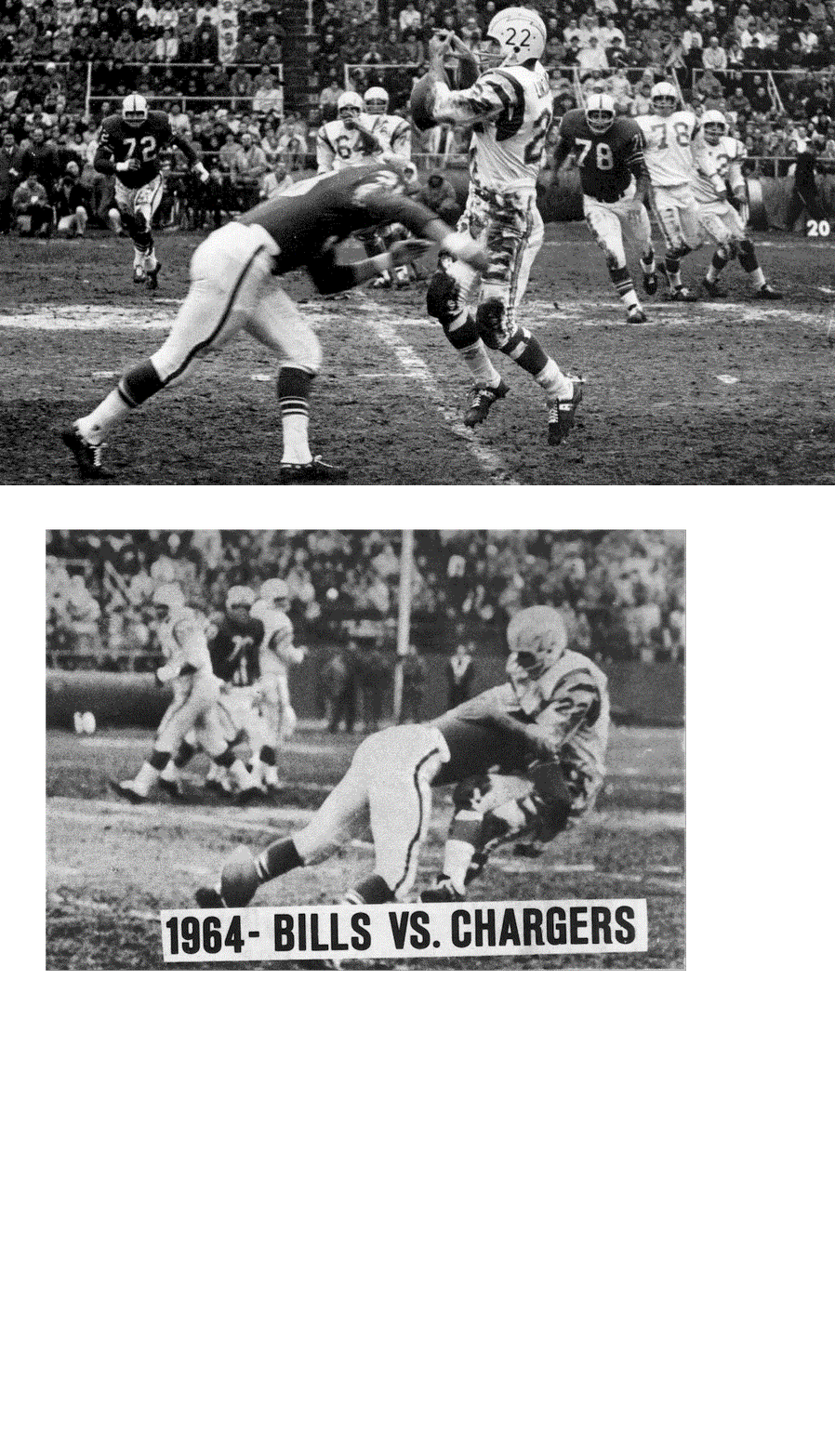
Stratton remembers everything about his lick on Keith Lincoln in the 1964 American Football League championship game. It was the most memorable hit in Buffalo Bills' history, one that's credited with changing momentum and lifting the Bills to a 20-7 victory over the San Diego Chargers.
.
In truth, Stratton worried he was getting burned.
.
"Fear took over," Stratton said. "It got me there about the same time the ball got to Lincoln. I knew both of us felt it, but you pretend like it
 
didn't hurt. When I saw he wasn't getting up, I was really happy. He had already done enough damage. I didn't want him to be hurt. I just didn't want him to play any more that day."

Stratton's hit led the Bills to their first of two AFL titles over the Chargers and helped earn him a place on the Wall of Fame. On Tuesday, during a ceremony in HSBC Arena, he will be inducted to the Greater Buffalo Sports Hall of Fame along with another former Bills linebacker who wore No. 58, Shane Conlan.

The other inductees include Buffalo State basketball coach Dick Bihr; late Sabres trainer Frank Christie; the late Erie Community College bowling coach Kerm Helmer; archer David Hryn; former Jamestown High football coach Wally Huckno; former Buffalo News columnist Jim Kelley; amateur golfer John Konsek; weightlifter Don Reinhoudt; and late three-sport star Phil Scaffidi.

"I have so many wonderful feelings and emotions with the City of Buffalo and the Buffalo Bills," Stratton said. "The problem I'm going to have is trying to boil some of those down so they might make sense to someone else."

Lincoln had gained 47 yards on three carries and caught one pass for 11 yards in helping the Chargers take a 7-0 lead. On their second possession, Lincoln ran into the flat for a swing pass, was leveled by Stratton and never returned. The collision heard throughout War Memorial Stadium became known as "The Hit Heard Around the World." Many believed it helped solidify the future of the Bills.

"I would love to take credit for that," Stratton said, "but that's ludicrous."

Stratton was selected in the 13th round of the 1962 AFL draft from the University of Tennessee. He played 11 seasons with the Bills, was chosen for six straight AFL all-star games and played for both championship teams. He finished his career with 30 and a half sacks and 18 interceptions over his 142 games with Buffalo. He was considered one of the best linebackers in the league, but he's most known for the hit on Lincoln.

"I really enjoy being remembered for something that was decent," he said. "I don't want to be infamous. If somebody has an opportunity to remember something from 40 years ago, I'm tickled to death."

Stratton left the Bills after the 1972 season, then played one year for San Diego before retiring. He never played in what is now Ralph Wilson Stadium. He spent his entire career playing home games at War Memorial, which was known as the "Rockpile." Lincoln joined the Bills in 1967 and played through the 1968 season.

"We had some opportunities to talk about it," Stratton said. "They were rather short conversations."

Stratton has visited Ralph Wilson Stadium every year for the past decade and has fond memories of living in Western New York. Stratton and his wife, Jane, have four children, 10 grandchildren. They live in Knoxville, Tenn., where Stratton started his own company, Financial Solutions.

His two oldest children were born at St. Joseph's Hospital in Cheektowaga. His oldest daughter, Melanie, was born Nov. 12, 1964, and was wrapped in a blanket at the Rockpile when Stratton made the hit on Lincoln.

"Buffalo was like going home," he said. "It was the biggest surprise to us. We came from an area that was supposed to be known for southern hospitality, but the people and everything around Buffalo made such an impression on us that it was more like home living in Buffalo than it was in Tennessee."

e-mail: bgleason@buffnews.com

.

.

 .

..

       Back in 1971, Mike Curtis was still whining about the Colts' loss to the Jets in the Third World Championship Game, and complaining that the Colts had to "move to the AFL".
       AFL fan
nospam.johnyrad@optonline.net was kind enough to send us this copy of a "letter to the editor" from the December 1971 Football Digest.

       "So Mike Curtis doesn't like being in the AFL?  Well, the feeling is mutual.  AFL fans would rather have kept their name and emblem and let the NFL keep their three teams."

       "The Jets burst the NFL's balloon.  You can't put a balloon back together, Mike."

       "The Vikings may get a shot at revenge against the Chiefs someday, but the Colts never did and never will beat the Jets in a Super Bowl."

..

.

.

The San Diego Union-Tribune
July 14, 2005

Alworth was AFL's Lindbergh in cleats

Lance Alworth was more mythical figure than football player, more Pegasus than "Bambi" the wide receiver. Lance Alworth was the first man to fly, his liftoffs coming from remarkable, hidden engines, and he had the graceful landing gear of Astaire. His whereabouts practically were unknown. Radar didn't cut it.

Aviation was all but invented in San Diego, as was the modern passing game, with Sid Gillman piloting the Chargers and Don Coryell San Diego State during the 1960s. It was a decade of innovation,


                                         UNION-TRIBUNE FILE
       The San Diego Chargers retired receiver Lance Alworth's No. 19 jersey Thursday. Alworth, shown in a file photo during a Charger photo day circa 1968, wore the Chargers uniform from 1962-70 and was enshrined in the Pro Football Hall of Fame in 1978.


of wonderful flight, and Alworth provided the perfect drawing tools for the aeronautical engineer.

It's impossible to even dream up a receiver more fun to watch, and during his nine seasons with the Chargers of the American Football League, Alworth was San Diego's shining star, the cover boy for a town crying out to find its legs and grow into its body.

In 1978, Alworth became the first AFL player to be enshrined in the Pro Football Hall of Fame, and today the Chargers are holding a media conference to announce his No. 19 jersey is being retired. Dan Fouts is the only other Charger so honored. Tackle Ron Mix, another Hall of Famer, had his No. 74 put away, but the late Chargers owner Gene Klein took it back when Mix went to play for the hated Raiders (if you recall, Louie Kelcher later wore 74).

It is an honor long overdue. No Charger should wear 19 and, frankly, it should have been retired before 14.

"I was surprised," says Alworth, who has done well away from football in the San Diego real estate and construction business. "From a long-term perspective, it's almost like a little closure. Thanks to God-given talent, you go out there and play because you love it and suddenly it's over. It can't last; then you adjust to a new life.

"It's great to be appreciated, to know maybe they enjoyed what I did as much as I enjoyed what I did."

Alworth played as important a role as anyone in this becoming a major league city, and one can even question if the AFL could have survived up to its merger with the NFL without him. He was the young league's dynamic face.

"Every time you played San Diego, the game plan focused directly on Alworth," says current Chargers coach Marty Schottenheimer, a '60s linebacker with the Bills and Patriots. "At some point in time, he was going to take advantage of you."

Alworth was national. When America saw him flying around in those powder blues, it saw San Diego. Kids wanted to be like "Bambi." Why not? Handsome, gracious, incredibly fast, smart, gifted. He could be your son, if you were lucky. What was not to like?

"He's still the impish little boy," says Keith Lincoln, who teamed with Paul Lowe in the terrifying backfield on those accelerated Gillman teams. "But don't be fooled by that 'Bambi' thing. He was a tremendous competitor with special gifts. Lance is put together well, with a great set of legs . . . phenomenal strength."

Among receivers, Alworth was the most photogenic, and he ranks with the handful of all-time pass catchers (85 touchdowns, almost 19 yards per catch), with Jerry Rice, Don Hutson, Paul Warfield – the list is short.

A case can be made for Alworth being the best. The quarterback who threw him the most passes during the '60s believes he is.

"I'll tell you, in my opinion, if he could have played under the same rules receivers do today, Lance would be the all-time all-timer, doubling everything guys do now," says John Hadl. "I hate to think what he could do with these "no-touch-'em" rules. He was the greatest receiver. I feel pretty strong about it. He was fun to watch, a great athlete and competitor."

It was Raiders owner Al Davis, then an assistant to Gillman, who signed Alworth out of Arkansas under the Sugar Bowl goalposts after the game. His admiration for Alworth goes beyond description.

"You guys will do anything to get me on the phone," Davis says. "When the password is Lance Alworth, that's a good password for me. He was the standard of excellence of all professional football among receivers, not just the AFL. Nobody denied his greatness. There are few I'd signify as legendary. He's one."

In those days, Alworth had to lock up at the line of scrimmage with physical cornerbacks such as Willie Brown. "It would have been more fun this way; I would have caught a lot more passes," he says. "I've been shocked by some of the rule changes, but it would be a lot more fun now to get a paycheck."

While I'm speaking to Alworth, he's working on his pension papers. He turns 65 next month. He no longer has to worry about the likes of Brown, although father time hasn't caught up with him yet, either.

Alworth doesn't do autograph shows, but stuff is brought to his office for him to sign. "A guy brings in 200, 300 items, I sign them, and he hands me a check for $21,000," he says. "In 2½ hours, that's a thousand more than I made in a year when I was playing."

As Davis once expertly said: "Lance Alworth was one of maybe three players in my lifetime who had what I call 'it.' "

Lance Alworth was more than that. But "it" will do.


Nick Canepa: (619) 293-1397; nick.canepa@uniontrib.com

.

 
Jan. 16, 2005, 12:53AM

Fighting against racial slights
In January 1965, 21 blacks made history by forcing AFL All-Star Game out of New Orleans
 
  By DAVID BARRON
Copyright 2005 Houston Chronicle
 
 
After a year in which Houston hosted two of the biggest events in sports — the Super Bowl and the baseball All-Star Game — and landed the 2006 NBA All-Star Game, today the city marks the 40th anniversary of a lesser-known event that remains unique in the history of sports in America.

Only 15,446 fans filtered into Jeppesen Stadium for the American Football League's East-West All-Star Game on Jan. 16, 1965. The West All-Stars won in a rout 38-14, and it's not uncommon for participants to say they don't remember a thing about the events of the day.

And yet the game — more accurately, the events that led it to Houston in the first place — was a revolution akin to Muhammad Ali's refusal to enter the draft or Harry Edwards' efforts to organize a boycott of the 1968 Olympics by black American athletes.

When 21 black football players refused to play the All-Star Game as scheduled in New Orleans because of race-related slights, threats and insults they suffered in that city, they staged a signal event in the volatile mixture of sports and society that continues today.

"Someone had to take a stand and stop players from being treated as second-class citizens," said Ernie Ladd — then a 6-9, 300-pound defensive tackle, now a businessman in Rayville, La. "It's a great story. Spike Lee should do a movie about it.

"We didn't do it for publicity. We did it because of what was right and what was wrong."
The walkout of 1965 came in a time of great change and upheaval across the South in the wake of the Civil Rights Act of 1964.

Ironically, it took place in a city that had made great progress in undoing past wrongs.
Like many Southern states, Louisiana adopted the policy of "massive resistance" in the wake of the Supreme Court's landmark Brown v. Board of Education school desegregation ruling in 1954, said Charles Martin, a history professor at the University of Texas at El Paso who studied the history of New Orleans' segregation laws while a graduate student at Tulane University.

In late 1955, the Sugar Bowl had enraged segregationists by inviting Pittsburgh, which had one black player on its roster, to play Georgia Tech on New Year's Day. Within six months, the state Legislature passed a law that prohibited interracial sports events in Louisiana.

"The Sugar Bowl was in favor of (relaxing segregation rules) because they saw sports as part of tourism," Martin said. "But there was resentment in other parts of the state because they saw it as violating laws regarding desegregation and public accommodations. The Sugar Bowl people tried to get an exemption for their game, but the Legislature wouldn't do it."

That law was struck down by the Supreme Court in May 1959. Five years later, a year before the AFL controversy, the Supreme Court overturned another state law that mandated segregated seating at all public events in Louisiana.

In December 1964, almost one month to the day before the AFL players arrived in New Orleans, the Supreme Court also ruled, in the Heart of Atlanta Hotel case, that the Civil Rights Act of 1964 prevented discrimination in public accommodations.

The Sugar Bowl had successfully hosted an integrated Syracuse team against LSU a couple of weeks before the AFL game, and Martin said the city's business establishment favored change as it sought to attract convention traffic to the city and built its bid to get an NFL franchise.

"You had the business elite wanting to abandon the Old South ideas of discrimination and segregation and massive resistance," Martin said. "It was the old-style Southern politicians that didn't want to change. The business types were pragmatic. They might prefer the old ways, but it was no longer pragmatic to do so."

Unwelcome guests

It was against that backdrop that the AFL All-Stars began to filter into the city a week before the scheduled Jan. 17, 1965, game.
Sid Blanks, a rookie running back for the Oilers who had been the captain of an otherwise all-white team at Texas A&I in the early 1960s, said the problems started at the airport.

"I couldn't get any transportation to the hotel," Blanks said. "I finally got a skycap to tell me, 'You need to get the right cab because you're colored.' I said, 'What do you mean?' He said, 'They won't pick you up.' I asked why not, and he said, 'It's a little different here. If you're colored, you can't ride in just any cab.' "

In an interview with NFL Films for a documentary on the history of blacks in pro football, San Diego Chargers defensive end Earl Faison said the insults and racial slurs increased even when players were able to track down a "colored" taxi to get them to their hotel.
"I was checking in to the hotel and heard voices in the background asking, 'Is that Ernie Ladd?' " Faison said. "And another guy said, 'No, Ernie Ladd is a bigger n----- than that. That Ladd is a big n-----.' "

When the players decided to visit Bourbon Street that night, Faison said insult nearly turned to injury — and worse.

"We walked past four or five different clubs (and were refused entry)," Faison said. "One guy shouted, 'You so and so, get off the street. John F. Kennedy is not playing here tonight.' "

At one club, Faison said, "A guy pulls out a gun and says, 'You are not coming in here. You n------ are not coming in here.' "

Ladd said he does not remember having a gun pulled on him. But he does remember the insults and the snubs and the anger.

"Walt Sweeney, one of our teammates with the Chargers, stopped a cab for us to go back to the hotel," Ladd said. "The cab driver wouldn't let us get inside. Sweeney wanted to bust the guy's head, but I said, no, we would walk back to the hotel.

"When we got back, Earl and I had a discussion, and I told Earl that I wasn't going to play in New Orleans under those conditions. Earl agreed and got in touch with (Jets offensive lineman) Sherman Plunkett, who got us in touch with the other guys on the East squad."

The next morning, Broncos defensive back Austin "Goose" Gonsoulin, a native of Port Arthur, met fellow Texan Clem Daniels, a running back from the Oakland Raiders, in the hotel lobby and suggested the two have breakfast.

"We walked into the restaurant, and Clem hung up his coat, and this little old lady came over and threw his coat on the ground," Gonsoulin said. "I said, 'Clem, don't worry about it. Just go get it and put it back on the hanger.' Then this woman came over and threw it back down again.

"We finished breakfast, and we agreed it was too bad that New Orleans hadn't come around to the times yet. Then we left, and I got on the bus to go to practice. Then I looked around, and there were no black players on the bus. We got to practice, but we stayed for only 15 or 20 minutes. We agreed it wasn't right to stay."

The 21 black players — more than a third of the players on the two 29-member squads — gathered at a hotel meeting room and voted 13-8 not to play.
They ignored pleas from promoter Dave Dixon, who was leading New Orleans' bid to land a pro football franchise, and NAACP chapter president Ernest N. "Dutch" Morial, the first black graduate of LSU's law school and later the first black mayor of New Orleans.

"We had a similar experience at an exhibition game a year earlier in Atlanta, and we had people there who lied to us and said things would be made right. We were not going to be taken in again," Ladd said.

They appointed Buffalo Bills tight end Ernie Warlick as their spokesman, and Warlick quickly drafted a brief statement.

"The American Football League is progressing in great strides, and the Negro players feel they are playing a vital role in the league's progression. They are being treated fairly in all cities in the league," Warlick wrote. "However, because of adverse conditions and discriminatory practices experienced by Negro players while here in New Orleans, the players feel they cannot perform 100 percent as expected in the All-Star Game and be treated differently."

Warlick might not have been as vocal as Ladd or running back Cookie Gilchrist, his Bills teammate, but the slights and insults cut just as deeply.

"I had served four years in the military. Then I played five years in the Canadian Football League," he said. "I was outside my country, but I had no problem going anywhere in Canada. Then I came back to my country and couldn't do things because of the color of my skin. So we decided to make a stand."

The next day, Monday, Jan. 11, AFL commissioner Joe Foss announced that the game would be moved to Houston.

"Dixon assured me that New Orleans was ready in all aspects for a game between racially mixed teams. Evidently, it isn't," Foss said. "They contacted as many businessmen as possible and got them to agree to treat the Negro players well. But they just couldn't get to everyone. Negro players run into problems in nearly every city. But I guess what went on in New Orleans was more than they could be expected to take. I can't say that I blame them."

As the players left for Houston, Warlick remembers that it was considerably easier to get a cab back to the airport than it had been a couple of days earlier traveling in the other direction.

"The same taxis that wouldn't give us a ride were now taking us in," he said. "So if we didn't do anything else, maybe that was one area where we brought about some change."

Moving to Houston

The players reconvened Tuesday and Wednesday in Houston, where Warlick remembers the AFL contingent as being the first racially mixed group allowed to stay at the Shamrock Hilton Hotel.

But Ladd said Houston wasn't always hospitable to black athletes.
A few years earlier, he said he experienced his most embarrassing moment in football at the hands of Lloyd Wells, who was then a prominent sportswriter for the Houston Defender newspaper.

"Houston treated (blacks) pretty poorly for a time. They made the black spectators sit in the end zone my first year in the league (1960)," Ladd said. "Lloyd Wells tried to get the players to strike, and I made a mistake by not listening to him.

"I'll never forget him saying, 'Ernie Ladd, you're gutless like a worm. Stand up and show some guts.' By then it was too late to do anything, but I'll never forget him saying, 'Look at you, you big old gutless Ernie Ladd. You can run, but you can't hide.' "

By January 1965, those days had ended, particularly by comparison to the incident that Chronicle sports columnist Wells Twombly facetiously called "the second great battle of New Orleans."

The nature of what had gone before, however, tends to overshadow the fact that the 1965 AFL All-Stars might have been the greatest aggregation of athletes to set foot in this city.

Nine of the 58 players are members of the Pro Football Hall of Fame.

An astonishing 43 are among the 100-plus AFL players listed in one fan's cyberspace version of the AFL Hall of Fame.

The game, not surprisingly, was something of an anticlimax. The West won in a walk, and Twombly wrote of the action, "A sloppier football game you haven't seen since the last Houston Oiler intra-squad scrimmage."

San Diego running back Keith Lincoln was the Most Valuable Player on offense with an 80-yard touchdown run and a 73-yard TD reception from the Chiefs' Len Dawson on the first offensive play of the game. Broncos defensive back Willie Brown, who later as a member of the Raiders would contribute one of the iconic images of pro football with NFL Films' slow-motion footage of his interception TD return in Super Bowl XI, was the defensive MVP.

Chargers quarterback John Hadl threw three scoring passes for the West. Blanks, the Oilers' rookie running back, set an All-Star record for kickoff returns and had a five-yard TD run for the East's only offensive touchdown.
The West players received $700 each as All-Star winners. The East players had to settle for $500 each.

'Stand up and fight'Dixon said NFL commissioner Pete Rozelle called him a few days after the walkout, told him the league still wanted a franchise in New Orleans and sent league employee Buddy Young, one of pro football's first black stars in the late 1940s and early '50s, to town on an inspection tour.

Young suggested a public display, such as having dinner with Dixon in one of New Orleans' finest restaurants, would go a long way toward offsetting the bad publicity.
And so Dixon called in a favor with Roy Alciatore, owner of the venerable Antoine's.

"Restaurants had been sort of integrated by that time," Dixon said. "If whites and blacks wanted to have dinner together, they would do so in the private rooms. So I called Roy and said, 'Roy, here's my situation. I want to sit in the middle of the restaurant, and I'd like to have John Ketry (one of Antoine's longest-tenured staffers) as my waiter. He said, 'Let's do it.' "

Young and Dixon dined together at Antoine's, and in 1967, the Saints came marching in to New Orleans as an NFL expansion franchise.

For AFL alumni, meanwhile, the All-Star walkout remains a source of great pride. Several AFL loyalists maintain that players in the staid, established NFL would never have stood up against the abuse, and they believe the esprit de corps the incident created among AFL players helped lead to the merger with the NFL a year later.

"The AFL owners like Lamar Hunt (Chiefs) and Bud Adams (Oilers) and Sonny Werblin (Jets) and Barron Hilton (Chargers) were the greatest men I've known over the years," Ladd said. "Our owners understood us, they took a stand, and they helped make pro football.

"The NFL had great players, but they weren't real men. Whatever the owners told them, they did. The AFL gave birth to men who would stand up and fight. There were no yellow-bellied cowards in the AFL."

Gonsoulin said the incident helped recruit players to the AFL in the final stages of the bidding war between the leagues.

"They knew they would be treated right in the AFL," he said. "It had to happen sooner or later. Somebody had to stand up, and I'm glad it was the AFL."

"I got hate mail and was invited to go back to Africa," said Warlick, who was a television sportscaster in Buffalo and later worked as a regional sales manager before retiring two years ago. "But when I think back, it was one of the thrills of my life.

"We were a unified group. Every time we get together as a group, we talk about how unified we were. We hung together and got along.

"It's a great thrill that I've carried with me ever since."

Gonsoulin, who lives in Silsbee, said he was in Ohio two years ago for a banquet honoring Hunt when he ran into Daniels, his one-time breakfast companion in New Orleans.

"We were waiting for dinner, and he said, 'Let's just you and I go out,' " Gonsoulin said.

"So we went to dinner and struck up a conversation, and I asked if he remembered what had happened that time in New Orleans. He said, 'Sure, but I didn't know if you remembered it.' I said, 'It's in my mind forever. That was a real turning point when they did those things to you.'

"And so we sat around the rest of the evening, talking about old times. We had a good time together. And nobody bugged us."

david.barron@chron.com
 

.

.

THE NEW YORK TIMES SPORTS SUNDAY, SEPTEMBER 17, 2006

Box Seats  


CHEERING SECTION
Defending and Remembering the A.F.L.
Copyright 2006 by the New York Times.  Click the article or the photo to enlarge them.

Photo by Mike Groll


Angelo Coniglio has made his cause defending the honor of the American Football League, which merged with the National Football League in 1970.

.

THE BUFFALO NEWS
SPORTS
Sunday, March 18, 2007
Copyright 2007 by the Buffalo News

Bitterness cut by cancer, Gilchrist seeks old friends
By Larry Felser - SPECIAL TO THE NEWS

There have been some amazing developments coming across the NFL news ticker lately.

The Texans paid $8 million to aging running back Ahman Green of the Packers, who missed 13 of Green Bay’s last 27 games with injuries.

The Atlanta Falcons paid $18 million for Ovie Mughelli — a free-agent fullback, the most anonymous position in the sport.

The San Francisco 49ers made Bills cornerback Nate Clements the richest defensive player in football with an $80 million contract. OK, it’s mostly back-loaded, which means Clements is likely to see “only” $30 million before he’s through, but that’s still better than a sharp stick in the eye.

Amid all those fresh riches came a phone call from Cookie Gilchrist, who was, in my opinion, the greatest all-around football player ever. The news from Cookie was not good. “I have throat cancer,” he revealed. “I weigh 179 pounds.”


Gilchrist against the Kansas City Chiefs in 1964

This is from a man who was once a giant of the sport, a back who played at 252 pounds, had a 31-inch waist, minimal body fat and who ran 40 yards, the classic measurement in football, in 4.6 seconds, comparable to Brian Urlacher, the Chicago Bears star of today.

Gilchrist was the Bills’ first star, the man who captured the imagination of Western New York’s sporting public when he signed as a surprise free agent in the summer of 1962 after the Toronto Argonauts of the Canadian Football League mistakenly violated a no-trade clause in his contract by attempting to deal him to Montreal.

Days after he signed with Buffalo he appeared in a preseason AFL game against the Jets in New Haven, Conn. “On the opening kickoff he knocked down the player assigned to block him,” remembered retired Bills trainer Eddie Abramoski, “broke the wedge like a bowling ball and tackled the kick returner on the 15-yard line.” For Bills’ fans it was love at first impact.

Two years later, surrounded by teammates such as quarterback Jack Kemp, Hall of Fame guard Billy Shaw, center Al Bemiller, tackle Stew Barber and tight end Ernie Warlick, he powered the Bills to Buffalo’s first major-league championship with a 20-7 victory over the favored San Diego Chargers in old War Memorial Stadium.

Today he speaks of other teammates. “Dr. Dale Hazlett is my oncologist,” he said. “She saved my life. She and the medical team at Allegheny- Kiski Valley Hospital, Dr. Hauer, Dr. Lizzaro and Dr. Brent, are the reason I’m still alive.”

Gilchrist had been living in Philadelphia for years, but when he became ill a lifelong friend moved him to her house in the Western Pennsylvania area where they both grew up, which is how he came to be treated at Allegheny-Kiski Valley.

Cookie had brooded for years about coming along at the wrong time in football history. He never made more than $30,000 a season during his career. In today’s market he would have been worth millions a year, a fact that left him embittered. Like other players from his era — such as impoverished ex-Bills tackle Donnie Green, for whom his former linemates on the “Electric Company” recently held a fund-raiser — he has to get along on a pittance of an NFL pension.

In Gilchrist’s case some bitterness was understandable. One of the greatest high school players ever to come out of talent-rich Western Pennsylvania, Cookie was headed to Michigan State when Paul Brown, then major domo of the Browns, signed him to a contract even though the NFL had a rule against signing players out of high school. Brown stashed him on a team in the minor-league Ontario Rugby Football Union, with the idea of bringing him to the Browns when he was NFL eligible. Instead Cookie quickly tore up the ORFU and signed in the Canadian league, where he stayed until the Bills won a battle with the Los Angeles Rams to sign him.

Coming into the league this way, he lacked the leverage enjoyed by the high draft choices, who benefited from a bidding war between the AFL and NFL. He signed for less than the going rate and his pay never caught up.

His illness has worn away some of the old bitterness. “Now I’m just happy to be alive,” he said.

Gilchrist would like to hear from his old friends and fans. He can be reached at 2870 Meadow St., Natrona Heights, PA 15065-1818.

Former sports editor Larry Felser's columns appear in the Sunday editions of the Buffalo News

(You can read Cookie's response to Felser by clicking HERE.)

.

THE BUFFALO NEWS
SPORTS
Sunday, July 14, 2007
Copyright 2007 by the Buffalo News

Coniglio calls the AFL the “genesis of modern professional football."

Amherst fan wants everyone to remember the AFL

COMMENTARY

Jerry Sullivan

Angelo F. Coniglio can’t help himself. He admits he’s a zealot and a sucker for lost causes. Coniglio has been crusading for the American Football League since the day it went under. Even back then, he knew it would be a long and often frustrating battle.

Back in the 1970s, soon after the AFL-NFL merger, Coniglio wrote an impassioned defense of the AFL in Pro Football Weekly. In that piece, Coniglio predicted that by 2009, which would have been the 50th season of the newly defunct league, “no one will remember the AFL except fans with long memories and scrapbooks.”

The memories are fading. The scrapbooks are collecting dust in the fans’ attics. But today, at age 70, Coniglio remains the most devoted fan of the AFL. He believes the AFL and its players helped revolutionize pro football and should have a celebrated place in the history of the sport.

“I feel the AFL never got the credit it should have, said Coniglio, a Buffalo native and longtime Amherst resident. “I have a 1964 AFL card set that has 10 [NFL] Hall of Famers. You still hear people say the AFL wasn’t any good until there was a common draft. I don’t believe that.”

Five years ago, after retiring as a civil engineer, Coniglio created an AFL Web site (RemembertheAFL. com). It’s a terrific site, the expression of one fan’s love for a league and a sport. If you’re one of those people who gets goose bumps when you think about Mike Stratton’s hit on Keith Lincoln, you’ll go nuts over it.

Coniglio has been a fan of the Bills since their AAFC days. But the AFL is his passion. When the Jets won the Super Bowl, he felt as if his team had won.

On his site, Coniglio calls the AFL the “genesis of modern professional football.” He says the league was ahead of its time on the two-point conversion, player names on uniforms, shared gate and TV receipts, wide-open offense and the liberal use of African- American players.

Now, with 2009 approaching, Coniglio hopes to give the AFL a 50-year testimonial. If you click on his site, you’ll see a logo with a big letter “A” and the numbers 50 and 2009 in gold underneath. There’s a link to “Celebrate the AFL”, which reprints his letter to Chiefs owner Lamar Hunt in November 2005. Coniglio asked Hunt to help plan an AFL celebration in 2009, which would have been the league’s 50th season.

Naturally, Coniglio had a few suggestions for Hunt, the man credited with forming the AFL. Coniglio said the NFL should design a commemorative AFL logo, based on the patch the Chiefs wore in Super Bowl IV. He proposed an “AFL Sunday” during the 2009 NFL season, with former AFL teams playing each other in throwback uniforms.

Coniglio made plans for his own AFL Reunion — in Buffalo. He sent out word on his Web site and heard back from about 30 former players and at least that many fans. Former Chiefs star Abner Haynes loves the idea. Bob McCullough, a former Broncos tight end, sent Coniglio an $80 check as a show of good faith.

“I think it’s an excellent idea,” said Ernie Warlick, who played for the Bills in the AFL days. “Ang is a one-man crusade. I know him well and how much this means to him. From the standpoint of the players, it would be great to see the guys you played against. I just don’t know if we’d get the overall support that’s necessary.”

Coniglio has pushed hard, but one-man crusades don’t get very far. The idea never quite took off. Hunt never got back to him. The legendary Chiefs owner died a year later. “I didn’t realize how sick he was at the time,” Coniglio said.

Coniglio also wrote to Bills owner Ralph Wilson. Marv Levy replied and said it was a good idea, but that was the end of it. Coniglio got together with executives from the Pro Football Hall of Fame at a Bills Quarterback Club meeting. They asked if he’d mind the NFL being involved. Coniglio agreed that an AFL tribute would succeed only with the NFL’s cooperation.

But he never heard back from the Hall of Fame. Coniglio let the idea go for awhile. He returned McCullough’s $80 and devoted his time to a data base of everyone who played in the AFL.
“The reunion would take a lot of planning and work,” he said. “I don’t want to do it unless it’s a success. I didn’t want to get people’s hopes up.”

Then he got a letter from Pete Moris, associate PR director for the Chiefs, who said Kansas City was putting an AFL tribute in its media guide in Hunt’s honor. He asked if Coniglio could contribute. Coniglio agreed.

“He said many AFL teams are talking about having their own recognition in 2009,” Coniglio said. “He said maybe we could get something going. That’s my goal. I don’t claim ownership. I’d love to see the AFL get its due.”

It won’t be easy. The NFL will probably do something in 2009. But a reunion is a different matter. The pensions of old-timers is a bitter issue right now, and it’s hard to see the league getting behind an event that would gather many of those ex-players together.

Of course, no one can stop Coniglio if he decides to hold a little reunion of his own. Like the old AFL, it might turn out to be bigger than the NFL ever bargained for.

Jerry Sullivan's commentaries appear regularly on the Sports pages of the Buffalo News

.